

Have you been considering Fraxel but find yourself wondering what recovery really looks like, day by day? It is one of the most common questions patients ask before committing to treatment. Fraxel Dual is a popular laser treatment for improving skin tone, skin texture, acne scars, and signs of aging like fine lines, wrinkles, age spots, and sun damage, all while supporting overall skin rejuvenation.
Understanding what happens after treatment can make the entire experience feel far less intimidating. From the first hours after your session to the weeks that follow, knowing what your skin may look and feel like helps set realistic expectations and allows you to plan with confidence.
Fraxel Dual Recovery Timeline: Key Takeaways
Recovery after Fraxel Dual varies based on treatment intensity, treatment area, skin type, and individual sensitivity, but most patients follow a similar healing pattern.
| Timeframe | What to Expect |
|---|---|
| Immediately After Treatment | Redness, warmth, tightness, and mild swelling similar to a sunburn |
| Days 1–3 | Continued redness and puffiness, especially around the eyes and cheeks |
| Days 3–5 | Bronzing, rough “sandpaper” texture, and visible skin shedding |
| Days 4–7 | Peeling and flaking as damaged skin cells slough off |
| Days 7–10 | Fresher, smoother skin emerges with lingering pinkness |
| Weeks 2–4 | Ongoing improvement in tone, texture, clarity, and overall skin appearance |
| Months 1–3 | Continued collagen production and gradual skin rejuvenation result |
Most patients experience about five to seven days of visible downtime. Mild redness or pinkness may last longer, while improvements in skin tone and texture can continue developing for several weeks or months.
How Long Does Fraxel Take to Heal?
Fraxel Dual uses non-ablative fractional laser wavelengths of 1550 nm and 1927 nm, so recovery is typically shorter than with more aggressive ablative resurfacing treatments. Healing varies depending on the wavelength used, treatment intensity, treatment area, and individual skin sensitivity. Most patients experience redness and swelling for several days, followed by roughness, flaking, or peeling as the skin renews itself. Visible recovery usually takes about one week, while collagen remodeling and skin regeneration continue for several weeks or months. Improvements in tone, texture, and overall clarity gradually become more noticeable as the skin continues to heal.
The Fraxel Laser Recovery Process: Day by Day
AAfter your Fraxel Dual treatment, your skin will go through a series of changes as it begins to heal. The 1550 nm and 1927 nm wavelengths target different layers of the skin, promoting skin renewal and stimulating collagen production. Over the following days and weeks, damaged skin cells gradually shed as smoother, clearer-looking skin emerges. Understanding each stage of recovery can help you know what to expect and care for your skin appropriately throughout the healing process.
Immediately After Fraxel: Redness, Heat, and Swelling
Immediately after your Fraxel Dual treatment, your skin will likely appear red and feel warm, tight, or swollen, similar to a mild sunburn. These reactions are expected as the skin responds to the laser, although their intensity varies based on the treatment settings and your individual sensitivity. At this stage, your skin will be especially delicate, so it’s important to protect it at all times. Your provider will give you specific instructions for calming and protecting the treated skin during the first 24 to 48 hours.
Immediately After
Days 1-3: Swelling and Redness
IIn the first few days after your Fraxel treatment, you’ll notice that the redness and swelling continue, though they will gradually decrease. Your skin may feel tight and appear inflamed, resembling a “tomato face” look. This is common and typically subsides as your skin adjusts. Mild redness will remain, but the intensity will lessen as your skin starts to recover. Continue following your provider’s aftercare instructions while the skin remains red, swollen, or sensitive.
Days 1-3
Days 3-5: Skin Starts to Shed
During days 3 to 5, your skin will begin to show signs of renewal. It may start to brown and feel rough, similar to sandpaper, as the dead skin begins to shed. Tiny dark dots called MENDs, or microscopic epidermal necrotic debris, may become visible as treated skin cells move toward the surface. Peeling often begins around the mouth and nose first, but it can spread to other areas of the face as well. Allow the treated skin to shed naturally rather than picking or scrubbing it.
Days 3-5
Days 4-7: Significant Peeling Occurs
During days 4 to 7, significant peeling or flaking will occur, resembling the shedding you might experience after a sunburn. As the old, damaged skin sheds, you may notice a “freckled” appearance, with small patches of skin flaking off in different areas. This is completely normal and part of the healing process.
The amount of peeling varies. Some patients experience noticeable flaking, while others have only mild dryness or roughness. Limited visible peeling does not necessarily mean the treatment was ineffective. As the treated skin sheds, smoother, pinker-looking skin may begin to emerge underneath.
Days 4-7
End of Week 1 (Days 7-10): Makeup Can Be Applied
By the end of week 1, most of the flaking will have stopped, and your skin will appear fresher, smoother, and brighter, although it may still have a pinkish tone. This is a sign that your skin is healing and renewing. The redness should start to fade gradually, and at this stage, makeup can typically be applied to cover any residual pinkness. It’s important to remember that your skin is still in the recovery process, so continue to care for your healthy skin with gentle moisturizers and sun protection.
Days 7-10
Weeks 2-4: Late Fraxel Recovery
During weeks 2 to 4, the pinkness from your Fraxel treatment will continue to fade, revealing improved tone and texture. As the skin heals, you’ll notice smoother, clearer skin with a more even appearance. This phase marks significant progress in the recovery process, although collagen production will continue to boost results over the following months. While you may still experience some mild residual effects, the majority of the healing will be completed, setting the stage for complete skin recovery as your skin continues to improve.
Weeks 2-4
Fraxel Before and After
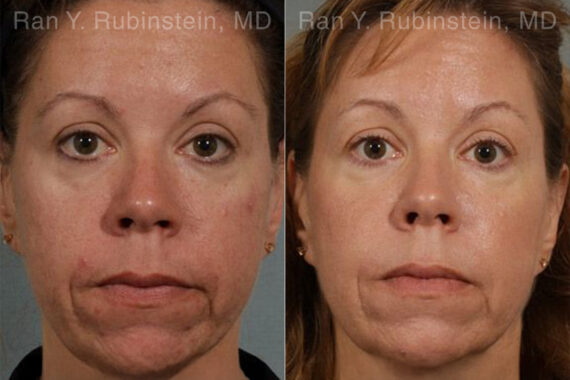
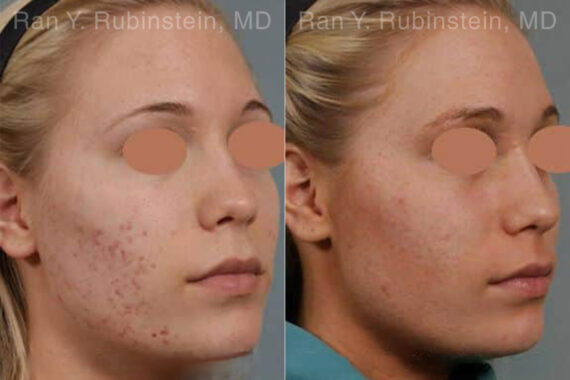
* All patients are unique and individual results may vary.
When Can You Return to Work After Fraxel Dual?
Many patients feel comfortable returning to work or social activities within about five to seven days, once the most noticeable redness, swelling, roughness, and flaking have subsided. Those who work remotely or do not mind visible redness may feel comfortable returning sooner.
Mild pinkness may remain after the first week, but it usually becomes less noticeable as the skin continues to heal. Makeup may help conceal residual redness once the skin surface has recovered and your provider has approved its use. The amount of social downtime varies based on treatment intensity, the wavelengths used, the treatment area, and individual skin sensitivity.
What’s Normal During Fraxel Healing?
It’s completely normal for your skin to go through several visible changes during the healing process. In the first week, especially, your skin may look worse before it starts looking better. As your skin renews itself, you may experience:
- Redness and warmth similar to a sunburn
- Swelling, especially around the eyes
- Dryness or a tight feeling
- Rough, sandpaper-like texture
- Bronzing or darkened areas before peeling
- Flaking and peeling as damaged skin sheds
- Mild pinkness that lingers for several weeks
What Is Not Normal After Fraxel Dual?
Contact your provider if your symptoms are severe, continue to worsen, or do not improve as expected. Warning signs may include:
- Severe or increasing pain
- Redness or swelling that worsens after initially improving
- Pus, unusual drainage, or an unpleasant odor
- Increasing warmth, tenderness, or spreading redness
- Blisters, open sores, or significant crusting
- Fever, chills, or other signs of infection
- Any unexpected reaction that concerns you
Follow the aftercare instructions provided by your treating specialist, and contact the practice when you are unsure whether a reaction is part of the expected healing process.
Recovery Tips After Your Fraxel Dual Laser Treatment
The right recovery plan will help your skin heal efficiently and minimize complications. After your treatment session, it’s important to stick to the specific treatment instructions provided by your specialist. Whether you’ve seen a plastic surgeon or dermatologist, adhering to their guidelines will support the healing process and maximize your results. Keep in mind that how you care for your skin during the recovery phase can make a big difference in achieving smoother, more youthful skin.
Immediate Care (First 24-48 Hours)
The first 24-48 hours are crucial for your skin’s recovery.
- To reduce swelling and heat sensation, use cool compresses or ice packs for 10-15 minutes at a time.
- Elevating your head while sleeping will also help minimize under-eye swelling.
- Cleanse the treated area only as directed by your provider. When permitted, use clean hands, lukewarm water, and a mild, fragrance-free cleanser. Avoid washcloths, cleansing brushes, scrubs, and hot water.
- Hydrating your skin is key. Apply a bland or gentle moisturizer like Cetaphil or CeraVe, or use a thin layer of petrolatum to keep your skin moist and prevent excessive dryness or flaking.
- Avoid makeup until the skin surface has healed sufficiently and your provider has approved its use.
- Avoid hot baths, saunas, steam rooms, intense exercise, and other activities that cause excessive heat or sweating while the skin remains irritated.
Days 3-7 (Peeling Phase)
During the peeling phase (Days 3-7), you’ll notice your skin starting to flake as dead tissue sheds. This is completely normal and part of the healing process. Your skin may feel dry and develop a rough, “sandpaper” texture.

- Do not pick, peel, scrub, or exfoliate the treated skin. Allow flakes to shed naturally to reduce the risk of irritation, scarring, infection, or changes in pigmentation.
- Continue to moisturize regularly using a gentle moisturizer or cream to keep your skin hydrated and soothe irritation
- Avoid acids, retinoids, scrubs, exfoliating tools, and products that sting or burn.
- Maintaining a consistent skincare routine is essential to support healing. Some individuals also find relief with a diluted white vinegar and water spray to cleanse and calm the skin.
- If needed, you can resume wearing makeup after this phase, but make sure to choose mineral-based, non-comedogenic formulas that won’t clog pores or irritate your sensitive skin.
Long-Term Care (Weeks & Months)
After the initial recovery phase, sun protection becomes even more critical in the long-term care of your skin.
- For several months following your Fraxel treatment, apply a broad-spectrum SPF 30+ physical sunscreen (with zinc or titanium dioxide) daily, as sun exposure can lead to hyperpigmentation and undo the progress you’ve made.
- During this period, avoid harsh exfoliation with glycolic acid, retinol, or strong active ingredients until your skin is fully healed and no longer sensitive.
- Once the peeling has stopped and your skin tolerates it, you can gradually reintroduce your normal skincare routine, but be sure to avoid products that sting or burn.
- Staying hydrated by drinking plenty of water will also support skin healing from within, helping you maintain a healthy glow as your skin continues to improve over time.
Laser Treatment Results
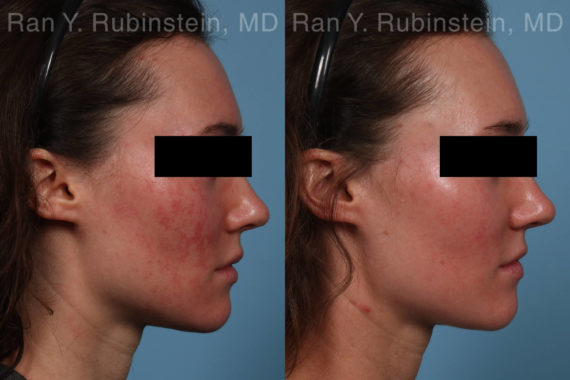
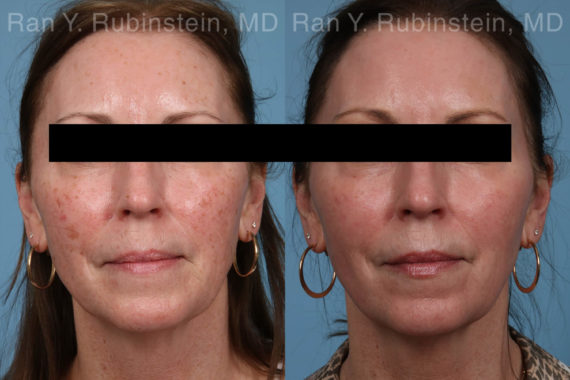
* All patients are unique and individual results may vary.
Consult with an Expert in Fraxel Laser Treatments Today
Choosing an experienced provider for Fraxel Dual is important for both safety and results. A qualified facial specialist can adjust the laser wavelengths, energy settings, treatment intensity, and aftercare plan based on your skin type, concerns, and treatment goals. This personalized approach can support effective results while helping minimize unnecessary irritation and downtime.
If you are considering Fraxel Dual to improve skin texture, pigmentation, sun damage, or signs of aging, call (845) 863-1772 to schedule a personalized consultation with Dr. Rubinstein and our qualified team.
Frequently Asked Questions About Fraxel Recovery
About Dr. Ran Rubinstein
Dr. Ran Y. Rubinstein is a double board-certified plastic surgeon with more than two decades of experience focusing on facial procedures. His experience with advanced laser technologies allows him to customize Fraxel Dual treatments according to each patient’s skin concerns, treatment goals, and expected recovery.