Written by: Rubinstein Plastic Surgery Center Team
Medically reviewed by: Dr. Ran Y. Rubinstein
Last reviewed: July 23rd, 2026
If you’ve noticed that your face looks thinner or older after losing weight, you’re not alone. The term “rapid weight loss face” has become especially common with the rise of weight-loss medications like Ozempic. While these medications are helping people achieve their health goals, substantial weight loss can sometimes bring unexpected changes, particularly in the appearance of your face.
According to Forbes Health, GLP-1 prescriptions for obesity increased by nearly 587% between 2019 and 2024. As the use of medications like Ozempic and Wegovy has grown, facial volume loss, sometimes referred to as “Ozempic face” has become a more widely discussed concern. The face is not always the first place the body loses fat, but it may be one of the first places where weight loss becomes noticeable because even small changes in facial volume can affect your overall appearance.
If you’ve experienced facial changes from substantial weight loss, there are several surgical and non-surgical options that can help restore a healthy, youthful facial contour. At Rubinstein Plastic Surgery Center, we help patients achieve natural-looking results that complement their transformed bodies. These face treatments are designed to improve facial aesthetics and restore lost facial volume to address some of the visible effects of weight loss on facial aging.
Key Takeaways
- Rapid weight loss can lead to facial volume loss, resulting in a gaunt or aged appearance.
- Ozempic face is a phenomenon caused by medications that lead to quick fat reduction.
- The cheeks, jawline, under-eyes, and neck are most affected.
- Both surgical and non-surgical treatments can restore volume and improve skin tone.
- Dr. Rubinstein offers personalized treatment plans to help patients feel confident in their skin.
How Rapid Weight Loss Treatments Work
Rapid weight loss treatments often involve medications like semaglutide, the active ingredient in Ozempic and Wegovy. These are GLP-1 receptor agonists, a class of drugs originally developed for type 2 diabetes that help regulate insulin, reduce appetite, and delay stomach emptying. The result? Substantial weight loss over a relatively short period.
However, while these medications help patients shed pounds, the resulting weight loss can also reduce fatty tissue in the face, especially the subcutaneous fat that supports youthful facial contours. This facial volume loss is sometimes referred to as “Ozempic face” and may be characterized by hollow cheeks, sagging skin, and a more tired or aged appearance. These changes are not unique to Ozempic and can occur after substantial weight loss caused by medication, bariatric surgery, dietary changes, or other methods. Medications like Ozempic are changing the landscape of weight management, but the potential effects of significant weight loss on facial volume and skin should not be overlooked.
According to Harvard Health, participants in some studies of GLP-1 medications lost an average of 10% to 15% of their body weight over a year, with some medications producing losses of more than 20%. Medications like Ozempic are changing the landscape of weight management, but as patients achieve substantial weight loss, the potential effects on facial volume and skin should not be overlooked.
Understanding Ozempic Face: Is The Face Affected First?
The face is not always the first place the body loses fat, as weight-loss patterns vary based on genetics, age, sex, hormones, body composition, and facial structure. However, facial changes may be among the first changes you notice. The face contains relatively small, highly visible fat compartments, so even a modest reduction in volume can noticeably affect the cheeks, temples, under-eye area, and jawline.
Skin elasticity also influences how the face responds to weight loss. As we age, the body produces less collagen and elastin, the proteins that help keep skin firm and supple. When substantial weight loss occurs, the skin may not fully contract around the face’s new contours, which can contribute to sagging, wrinkles, and reduced facial definition. The combination of facial fat loss, skin laxity, and changes in volume can make signs of facial aging more visible.
Facial Areas Most Affected by Rapid Weight Loss
Rapid weight loss affects certain parts of the face more than others. These are the areas most likely to show early signs of volume loss, skin laxity, and fine lines and wrinkles:
Cheeks and Cheekbones
The cheeks are one of the most noticeable areas affected by weight loss. Full cheeks often symbolize youth and vitality. When this volume disappears, the face can appear sunken or hollow. Prominent cheekbones may become overly pronounced, which can lead to a more gaunt appearance.
Jawline and Chin
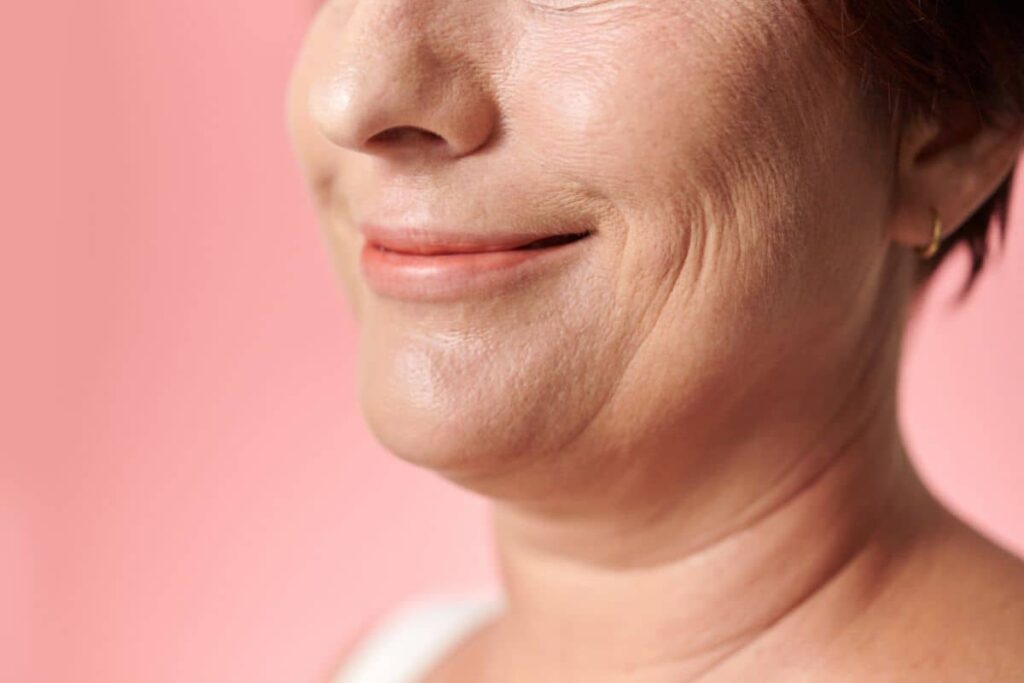
Weight loss can enhance the jawline, which some patients see as a benefit. However, it can also make the chin look more pointed and highlight jowls if there is any loose skin. The transition between the face and neck can become less smooth, leading to an aged appearance. These facial contour changes may require fat grafting or cosmetic surgery to restore youthful balance.
Under-Eye Area
Fat loss under the eyes can cause dark circles and make the eyes look hollow or sunken. Combined with a loss of skin elasticity, this can make patients look tired or older than they feel.
Temples and Nasolabial Folds
The temples may lose fullness, causing the upper face to look narrower. Meanwhile, the nasolabial folds, the lines running from the nose to the mouth, can deepen without the support of midface volume, creating a more aged look.
Neck
Rapid weight loss often affects the neck, leading to loose or crepey skin. A double chin may disappear, but the tradeoff can be excess skin or banding, especially if skin elasticity has declined with age. This is often one of the most stubborn areas impacted by significant weight loss.
Your face deserves special attention during your weight loss journey!
Speak with a facial rejuvenation specialist in Montvale.
Surgical and Non-Surgical Solutions for Weight Loss Face
If you’re wondering whether you need fillers or surgery after weight loss, the answer depends on the extent of volume loss and skin laxity. Patients benefit most from a professional evaluation with a qualified healthcare professional. Dr. Rubinstein evaluates each patient carefully and offers a tailored approach based on their facial structure, goals, and health history.
Surgical Solutions for Facial Volume Loss
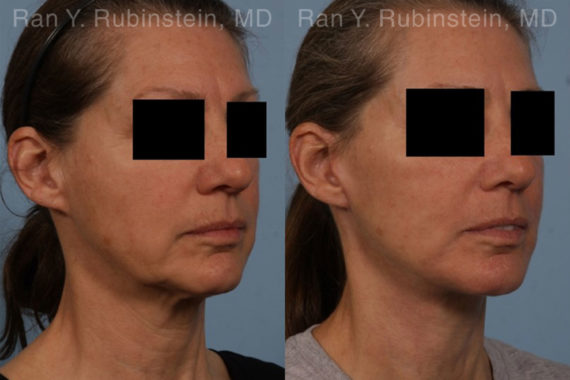
For patients with moderate to severe volume loss and sagging skin, facial surgery may offer the best results. Common options include:
- Facelift: A deep plane facelift tightens the deeper facial tissues and removes excess skin, restoring a more youthful contour.
- Neck lift: This procedure smooths and tightens the neck area, addressing skin laxity and vertical bands.
- Fat transfer: Fat from another part of the body is harvested and injected into the face to restore volume naturally.
- Blepharoplasty: Also known as eyelid surgery, this procedure removes excess skin and may reposition or reduce fat in the upper or lower eyelids. For patients with under-eye hollowness, a volume-preserving approach may be more appropriate than fat removal alone.
These procedures can be performed alone or in combination, depending on the patient’s needs.
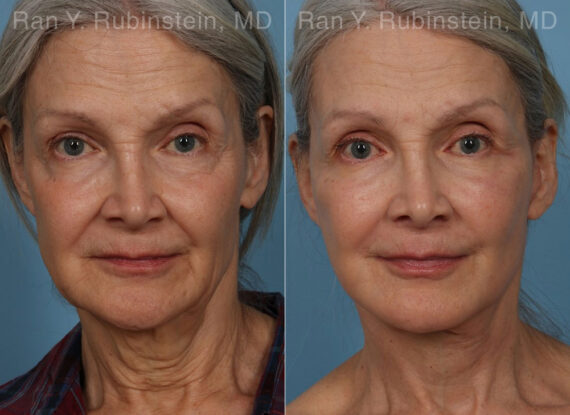
Non-Surgical Skin Rejuvenation Treatments
If your facial changes are mild to moderate, or if you prefer a less invasive approach, non-surgical treatments can still offer excellent results:
- Dermal fillers: These injectables add volume to the cheeks, temples, nasolabial folds, and jawline. Popular options include hyaluronic acid-based fillers that offer immediate results.
- Sculptra: This injectable filler, made of poly-L-lactic acid, stimulates collagen production over time, helping to gradually restore lost volume and improve skin texture.
- Laser skin tightening: Radiofrequency and other energy-based treatments heat targeted layers beneath the skin to stimulate collagen production and improve mild skin laxity. Downtime varies depending on the treatment and its intensity.
- Laser skin resurfacing: This procedure targets the outer layer of skin to improve texture, reduce fine lines, and enhance overall skin tone, making it a valuable complement to volume-restoring treatments.
These non-invasive options can be customized to your specific facial anatomy and aesthetic goals.
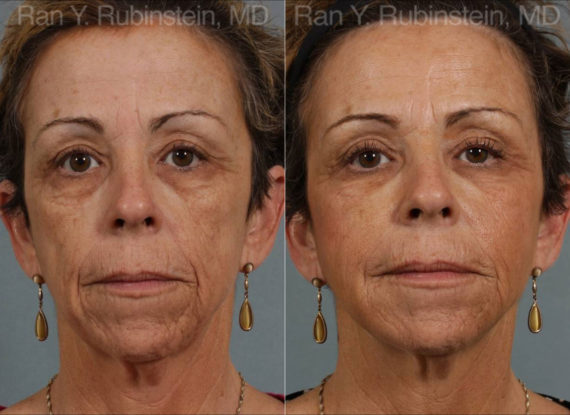
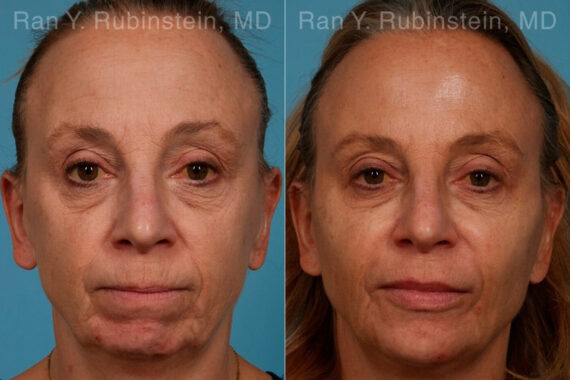
What to Expect From Treatment
Every treatment has limitations and potential risks. Surgical procedures generally provide more substantial and longer-lasting changes but require more recovery and may involve swelling, bruising, scarring, infection, changes in sensation, or the need for revision. Non-surgical treatments usually involve less downtime, although temporary swelling, bruising, redness, tenderness, and other complications may occur.
Results and longevity also vary. Dermal fillers are temporary, while fat transfer and surgery may provide longer-lasting improvement. However, not all transferred fat will survive, and no treatment can stop the natural aging process. Recovery time and the duration of results depend on the procedure, your healing response, skin quality, lifestyle, and weight stability. A qualified facial rejuvenation professional can help you understand these factors and determine which treatment options may be appropriate for you.
Complete Your Transformation with Confidence
Losing weight is a major achievement, but it shouldn’t come at the cost of your confidence. If you’re dealing with facial volume loss, skin laxity, or other visible changes after substantial weight loss, surgical and non-surgical treatments may help restore balance and a more refreshed appearance.
For patients experiencing these changes, Dr. Ran Rubinstein develops personalized treatment plans based on facial structure, skin elasticity, degree of volume loss, health history, and aesthetic goals. He may recommend surgical, non-surgical, or combined treatment options designed to complement your transformation while maintaining natural-looking results.
Contact us today to schedule your consultation and discover what’s possible with the right treatment plan.
FAQs about Rapid Weight Loss Face
About Dr. Ran Y. Rubinstein
Dr. Ran Y. Rubinstein is double board-certified in facial plastic and reconstructive surgery and otolaryngology–head and neck surgery. With more than two decades of experience in facial rejuvenation, he develops personalized surgical and non-surgical treatment plans based on each patient’s facial structure, volume loss, skin elasticity, health history, and aesthetic goals.