Home » Procedures » Renuva
Renuva in Montvale, NJ
Dr. Ran Y. Rubinstein, a double board-certified facial plastic surgeon, offers Renuva at Rubinstein Plastic Surgery Center in Montvale, NJ. One major cause of facial aging is fat loss. This begins gradually in our thirties. Fat contains stem cells that keep the skin appearing youthful.
This fat also surrounds and buttresses our facial ligaments which are needed to keep our facial tissues lifted. Fat loss therefore leads to skin aging and progressive facial sagging. This process accelerates in our 40’s & 50’s. We are now seeing this in younger patients as a result of rapid weight loss with GLP-1 medications.

Prior to Renuva, for those not wanting to undergo surgical fat injections, the only options have been volume replacement with dermal HA fillers or biostimulants like Sculptra. For the first time with Revuva, lost fat can be non surgically replaced with an injectable adipose matrix that leads to fat cell regeneration. This is the most natural approach to volume replacement and helps to reduce some of the potential drawbacks to HA fillers and concerns over biostimulants.
Patients throughout Bergen County and northern New Jersey visit Rubinstein Plastic Surgery Center for advanced facial plastic surgery and physician-supervised non-surgical facial rejuvenation. From customized skincare plans and medical-grade products to advanced non-surgical rejuvenation treatments, Rubi Med Spa @ Rubinstein Plastic Surgery Center offers complete aesthetic care under physician supervision.
Renuva Elite Injectors video
Renuva Treatment Overview
- Renuva is an injectable adipose matrix that provides structural support in areas of facial fat loss. This matrix attracts and becomes repopulated with stem cells. These stem cells mature into our own fat cells gradually replacing lost facial volume.
- Results develop progressively over three to six months as the adipose matrix integrates with surrounding tissue and is replaced by one’s own fat cells.
- Most patients experience minimal downtime following treatment, with temporary swelling or tenderness that typically resolves within a few days.
- Each treatment plan is individualized based on facial anatomy, skin quality, and the patient's aesthetic goals.
- For optimal results, most patients benefit from two treatments spaced 3 to 6 months apart.
- Results are long lasting. As we continue to lose facial volume with age, touch up treatments will help maintain results.
- The areas most commonly treated are the temples, cheeks, peri-oral, neck, decollete, and hands.
THE PROCEDURE
What Is Renuva?
Facial Concerns Renuva Can Address
The face is made up of superficial (outer) and deep fat compartments. The ligaments that support our facial tissues pass vertically from bone through these two fat layers and attach and form an anchor to our skin. With fat loss, the ligaments lose support and fall leading to facial sagging. Fat loss typically occurs in both layers and each layer needs to be replenished in order to have an uplifting effect. Less volume replacement is needed for the superficial fat compartments. Although Renuva can replace both the deep and superficial fat, it is more economical to use it for that outer fat layer. The deeper fat layers can be replaced with HA filler or Sculptra.
As we age, losing bone and fat causes our facial “scaffolding” to collapse, leaving the retinacular ligaments—which act like tension wires—to go slack and sag.
While traditional fillers can lead to a puffy “filler fatigue,” Renuva provides a honeycomb-like matrix that your body naturally fills with its own fat cells over three months. This restores the volume beneath your ligaments, lifting the skin naturally without the water-heavy look of synthetic alternatives.
This combination treatment addresses a number of concerns.
There has been public concern that HA dermal fillers can migrate, build up over time, and potentially make someone look overfilled. Common catch phrases used on social media are “pillow face” and “filler fatigue”. This happens when too much filler is placed in that outer fat layer where it’s more prone to migrate and look puffy. Properly placed HA filler on bone and in that deeper fat layer will not migrate or give that pillow face look. It will support those deeper ligaments in that deep fat layer. This will have a lifting and slimming effect on the face. The combination of biostimulants and Renuva for the superficial fat pads with HA filler for the deeper fat pads provides a more economical approach to volume restoration, affords both immediate results with the HA filler as the Renuva regenerates the outer fat layer over 3 to 6 months, and prevents the dreaded pillow face look.
There is fear generated by social media that biostimulants like Sculptra will negatively impact future facelift surgery results. A recent publication conducted a survey of over 100 facial plastic surgeons who perform deep plane facelifts and also are experienced in injecting Sculptra. The consensus among most was that Sculptra did not have a negative impact on their facelift results. They did recommend holding off on treating patients who are planning on surgery in the near future. There was no consensus on timing. This has also been my experience. When Sculptra is injected on bone and the deeper fat layer, there is minimal to no impact on facelift surgery. This has been my approach with Sculptra using it to regenerate volume in that deeper fat layer especially in patients considering a facelift. Combination therapy with Sculptra (deep) and Renuva (superficial) is a great treatment option when patients don’t want HA filler in the deep fat layer because they prefer to regenerate 100% of their own tissues.
Dr. Rubinstein likes to rejuvenate the neck skin prior to a deep plane facelift. Surgery lifts and repositions the sagging skin and fat pads but it doesn’t do anything to rejuvenate the skin quality. In the face, concomitant laser resurfacing can be performed at the time of the face lift. Neck skin is very delicate and should not be lasered at the time of surgery. There is a certain amount of give back in the necklift results 3 to 12 months post op. This is directly correlated to the health of the skin. By replacing lost superficial fat in the neck with Renuva and performing fractionated CO2 laser resurfacing, the neck skin is pre-conditioned prior to the neck lift. Both the degree and duration of results are dramatically improved.
Renuva is most impactful with both cost and results when used to replace the outer fat layer. Results can last for many years.




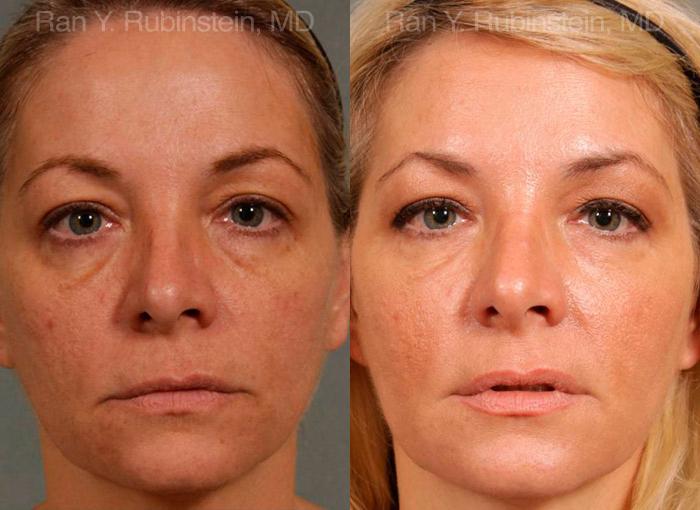
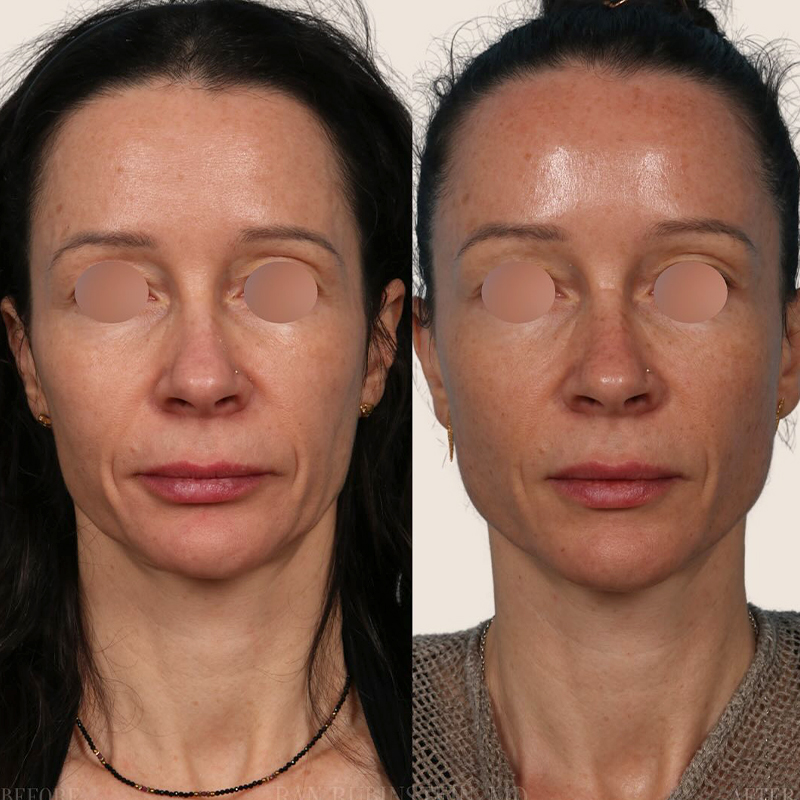
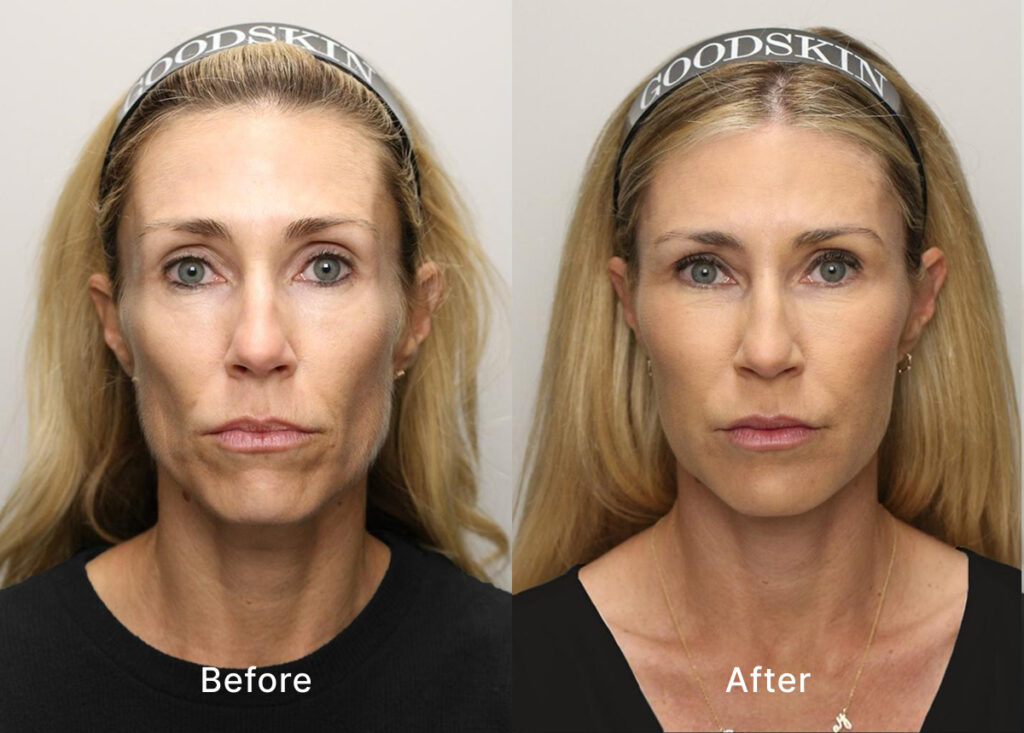
renuva Patient Results
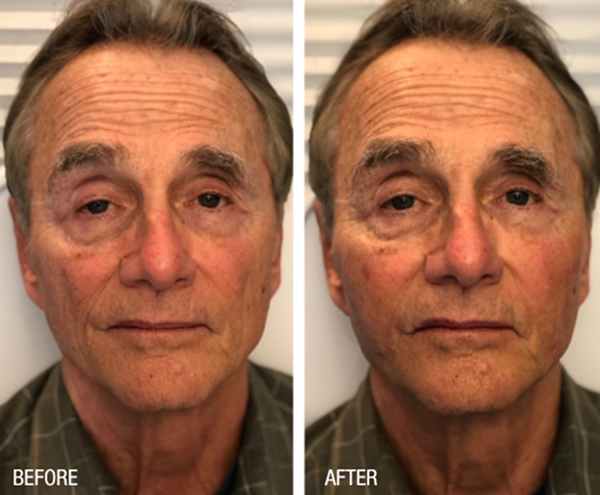
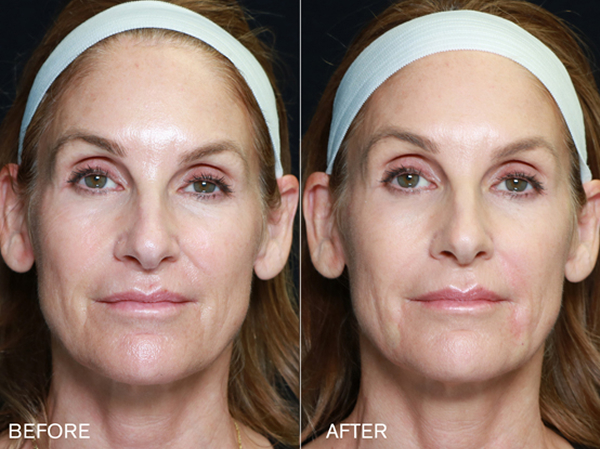
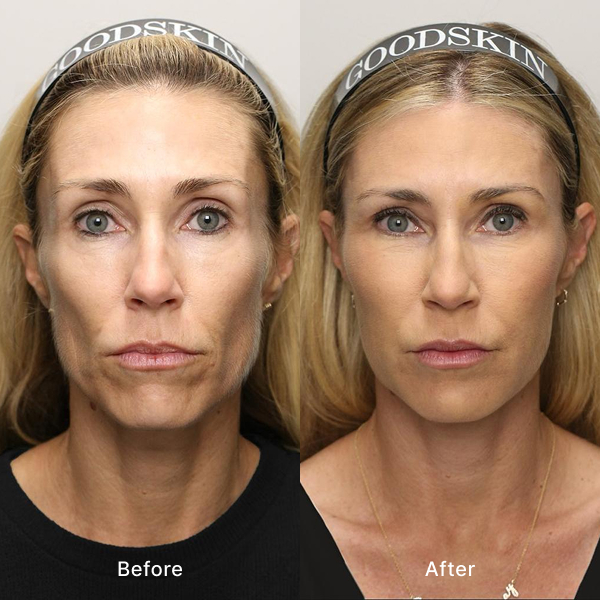
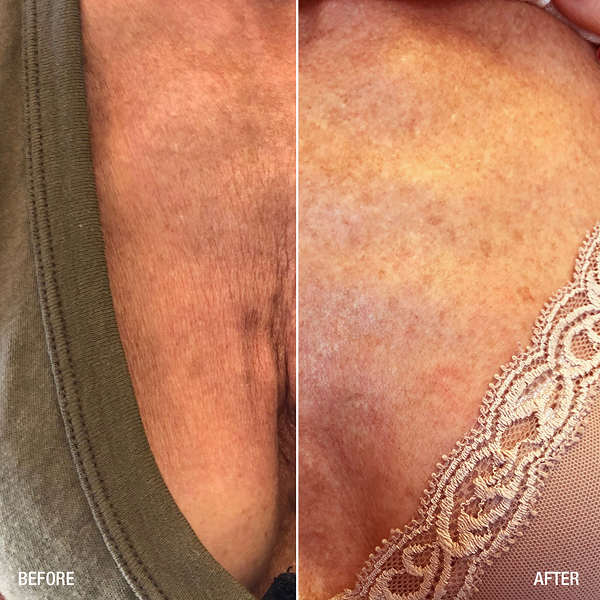
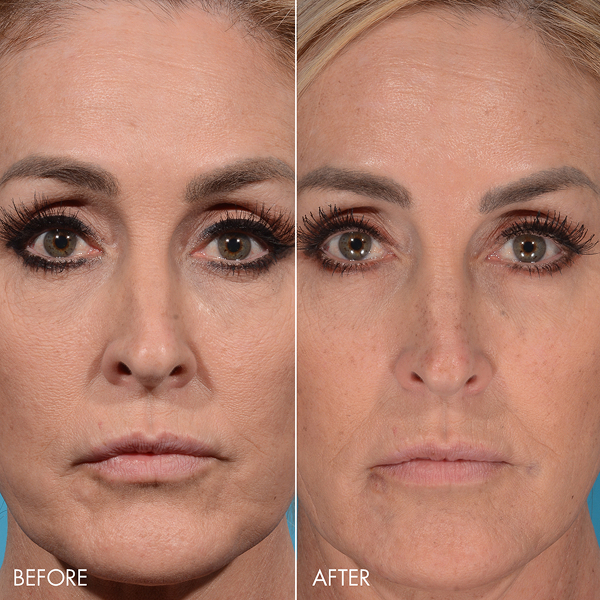
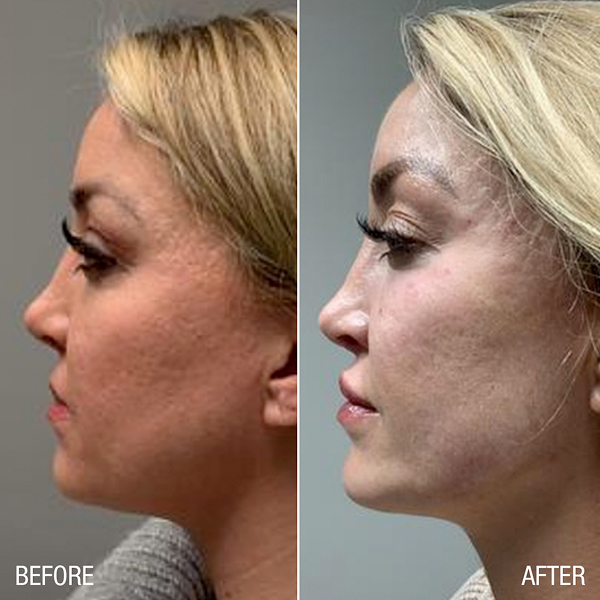
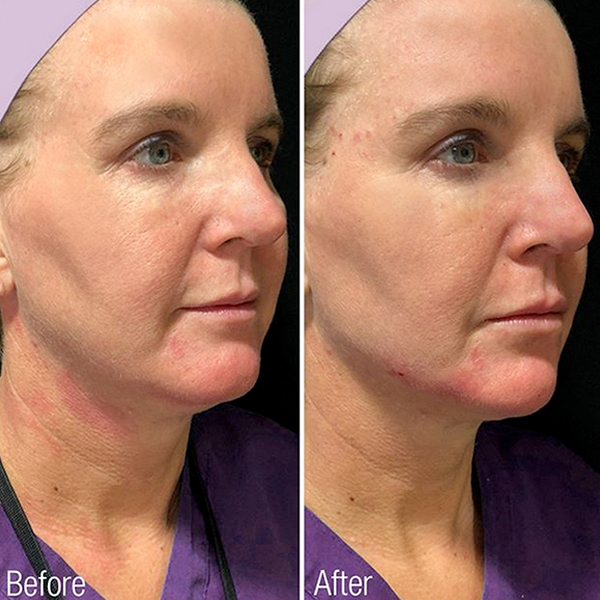
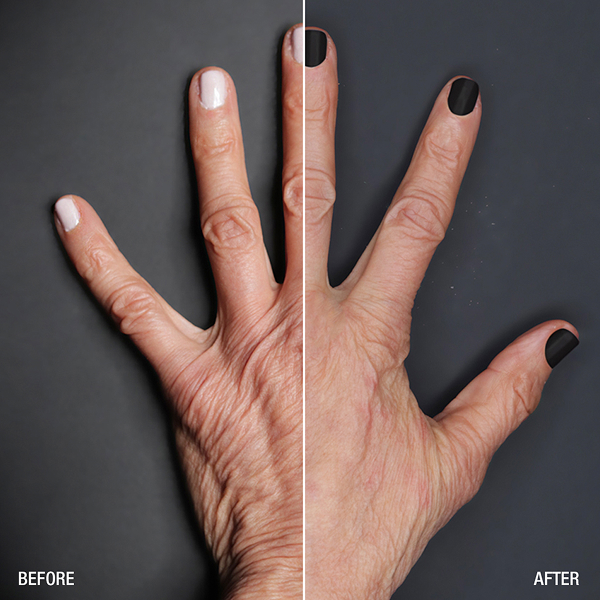
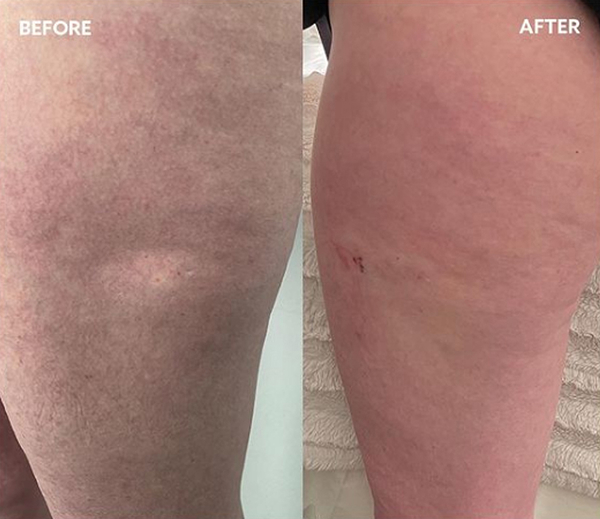
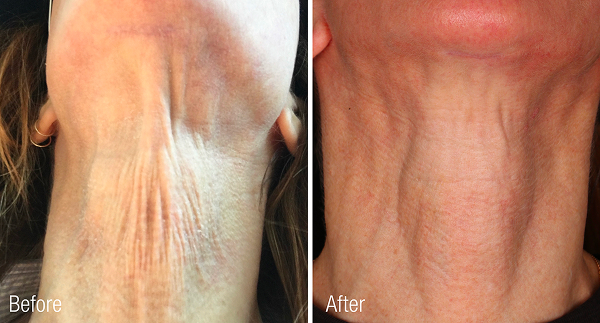
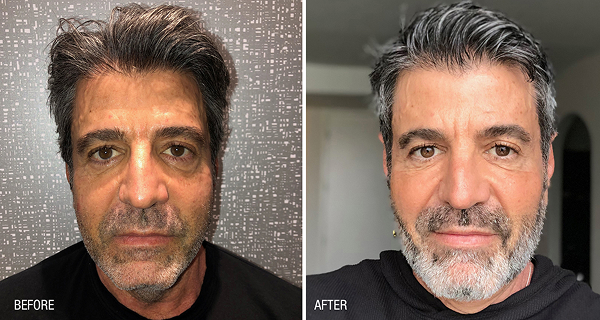
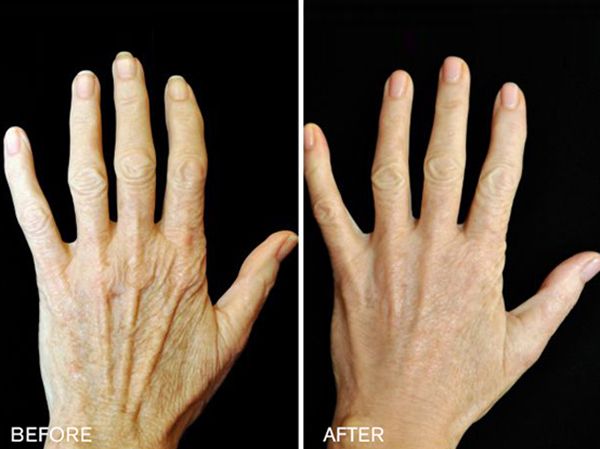
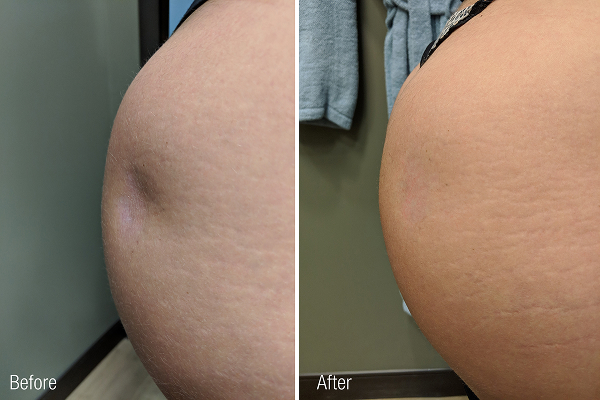
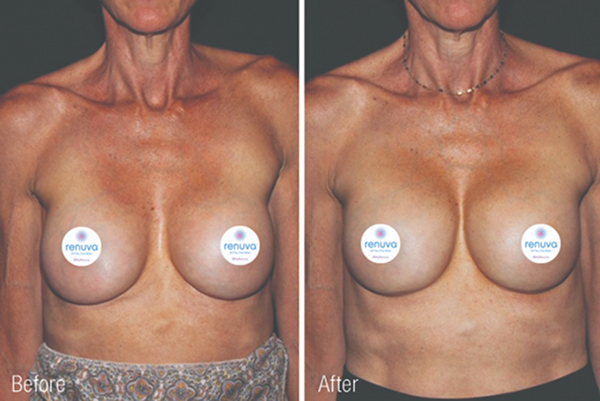
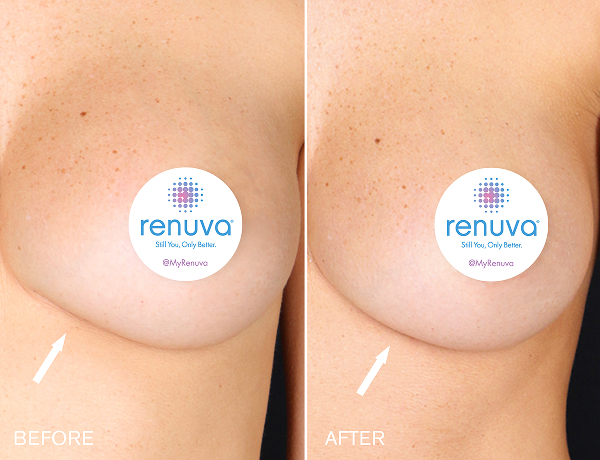
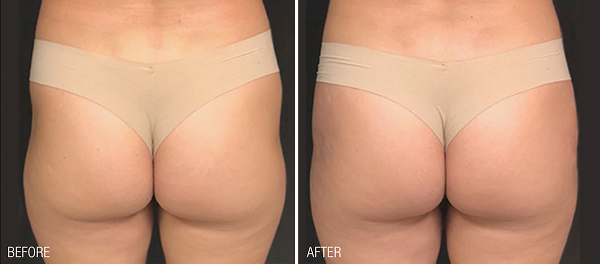
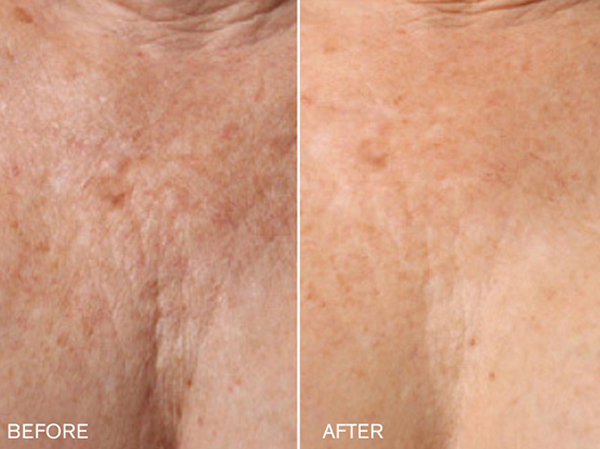
* All patients are unique and individual results may vary.
Dr Rubinstein and his entire office team is the BEST! I’ve been a patient for about 2 years now and have been happy with all of my results and treatments. I highly recommend for anyone who is looking for some subtle work done to look their best!




How Renuva Works
The science behind Renuva is rooted in the properties of the adipose extracellular matrix — the structural environment that naturally surrounds fat cells in human tissue. Because this architecture is preserved during processing, the matrix provides a biologically compatible scaffold once injected. The treatment unfolds in several phases:
- Matrix placement: The adipose matrix is precisely injected into the targeted treatment site, positioning it within the tissue where volume restoration or contour improvement is desired.
- Scaffold function: The matrix establishes structural support within the tissue environment, signaling the body's regenerative processes to begin.
- Tissue integration and fat cell development: Over the following weeks and months, the body populates the matrix with new fat cells and supporting blood vessels. As this process progresses, the treated area develops natural, soft volume that reflects the body's own tissue rather than an added material.
Start Your Journey to Success, Don’t Wait More!
Schedule a consultation with Dr. Rubinstein
Comparing Renuva to Other Injectable Options
Renuva occupies a distinct category within the spectrum of injectable facial rejuvenation treatments. Understanding how it differs from other options helps patients make informed decisions during consultation.
Hyaluronic Acid Fillers
Hyaluronic acid-based fillers such as Juvederm Voluma and Restylane Contour work by placing a gel substance beneath the skin to add immediate volume. They are highly versatile, reversible, and well-suited for broader volume enhancement or precise contouring.
HA fillers:
- Provide immediate, visible volume correction
- Results typically last from 1 to 2 years depending on the product and where it's placed
- Can be dissolved with hyaluronidase if adjustment is needed
- The product of choice for non surgical lip & chin augmentation.
- When too much is placed in the superficial fat layer, the face can begin to appear swollen and overfilled. It should therefore be injected on bone and the deeper fat layers. When treating lips and facial lines, it is placed just under the skin surface where only small amounts are needed.
- Can be used in combination with biostimulants and Renuva.
Biostimulatory Treatments
Biostimulants such as Sculptra and Radiesse work by triggering the body’s own collagen production. As collagen accumulates over time, the skin becomes more structurally supported and gradually firmer.
Biostimulants:
- Stimulate collagen synthesis within the dermis especially when injected into the outer fat layer. Timing with facelift surgery should be considered especially if planned in the next year.
- Improves overall skin structure and support
- When injected on bone and the deeper fat layer, collagen production mimics replacement of lost deep fat and bone. This will support those deeper ligaments having a lifting and slimming effect on the face.
- Combination treatments with Renuva for tissue regeneration of both the deep (Sculptra) and superficial (Renuva) fat layer without any impact on future surgery.
- Results develop progressively over 6 weeks. Two to three treatments are typically needed at 6 week intervals. Results can last 2 or more years. A single annual touch up treatment is recommended.
Renuva
Rather than adding a filler material or stimulating collagen alone, Renuva introduces an adipose matrix that enables the body to generate new fat tissue in a targeted area. Renuva:
- Contains preserved cellular components and extracellular matrix from processed adipose tissue
- Provides scaffolding within the tissue to support fat cell regeneration
- Results are gradual and reflect the body's natural tissue rather than an added substance
- Best suited for smaller volumes such as the superficial fat layer.
- During consultation, Dr. Rubinstein reviews a patient's facial anatomy and goals to identify which approach — or combination of approaches — is most appropriate.
Who May Be a Good Candidate
Renuva may be a suitable option for patients looking to address subtle, well-defined areas of facial volume loss without surgery. It is best suited for individuals whose concerns fall within the treatment’s range of application. Patients who may benefit from Renuva often:
- Have facial volume loss due to aging or weight loss.
- Prefer tissue regeneration over tissue replacement with HA filler.
- Are looking for gradual improvement that blends naturally with surrounding tissue.
- Want to avoid surgical options such as fat grafting
- Understand that results develop over time rather than immediately.
- Have realistic expectations. More than one treatment is typically needed. Adequate volumes are required for optimal results. The short term cost and investment will be higher than that with HA fillers and biostimulants. Long-term results will make this a worthwhile investment.
Consultation and Treatment Planning
At Rubinstein Plastic Surgery Center, every Renuva treatment begins with a comprehensive consultation. Dr. Rubinstein examines facial anatomy, evaluates tissue quality, and discusses the patient’s concerns and goals in detail.
Not all forms of facial volume loss are ideally suited to Renuva. Depending on the extent of change, its location, and the patient’s overall facial balance, alternative or complementary treatments may be recommended. Dr. Rubinstein presents all relevant options and helps patients understand what to expect from each approach before proceeding.
Patients are encouraged to ask questions during the consultation and discuss any prior treatments, medical history, or concerns related to the procedure.
The Renuva Treatment Experience
Renuva injections are performed in the med spa at Rubinstein Plastic Surgery Center. Consultations and treatment are often performed on the same day.
Consultation:
Hyaluronidase:
Preparation:
Injection:
Post-Treatment:
Recovery Following Renuva Injections
Recovery after Renuva is generally minimal. Most patients resume their normal schedules within a day of treatment.
Temporary effects following treatment are similar to those seen with other injectables and may include:
- Mild swelling at or around the injection site
- Light bruising that resolves within a few days
- Brief tenderness or sensitivity in the treated area
- Itching especially in the neck and hands for a few days.
When Results Appear
Because Renuva works through a biological integration process, changes in the treated area develop over an extended period. Patients should not expect to see immediate volumization after their appointment.
Noticeable improvement in contour and fullness typically begins emerging over several months. As the body develops new fat cells within the matrix, the results take on a soft, natural quality that reflects the surrounding tissue. Restoring volume around the facial ligaments also results in a more lifted appearance. The regenerated fat also has a rejuvenating effect on the skin. Individual response varies, and Dr. Rubinstein discusses realistic expectations during consultation.
Why Choose Dr. Rubinstein for Renuva in Montvale, NJ?
Dr. Ran Y. Rubinstein is a double board-certified facial plastic surgeon with extensive experience in both surgical and non-surgical facial rejuvenation including fat transfer. His approach to injectable treatments is grounded in a thorough understanding of facial anatomy and a commitment to results that appear balanced and natural rather than overdone. He has an understanding of when and where HA fillers, biostimulants, and Renuva should be used. Dr. Rubinstein also oversees an on site aesthetic injection training center where he enjoys teaching his injection techniques.
Surgical procedures at Rubinstein Plastic Surgery Center are performed in a Joint Commission–certified surgical suite, reflecting the practice’s commitment to safety and clinical standards. Dr. Rubinstein evaluates each patient and oversees the treatment process, ensuring that care is consistent and individualized at every stage.
Frequently Asked Questions About Renuva
How is Renuva different from a traditional dermal filler?
Dermal HA fillers add an external gel-like substance beneath the skin to restore volume. They are preferred when treating superficial facial lines, lip augmentation, and in facial balancing such as chin augmentation. Contrary to what has been depicted on social media, HA fillers can provide natural results when injected properly. Results are immediate and in many cases can last for years.
Renuva introduces an adipose matrix that supports the body's ability to develop new fat tissue over time. The two approaches differ in mechanism, timeline, and the type of correction they provide. Dr. Rubinstein often will perform combination treatments. The HA filler or biostimulants like Sculptra are used to replace deeper fat loss and Renuva the more superficial fat loss. This can give the patient some immediate results as they await for the Renuva to kick in. It also makes the Renuva treatment more affordable as less is needed.
How long do results from Renuva typically last?
Because the Renuva matrix is gradually replaced by the body's own fat cells, results can be long-lasting. How long fat cells persist varies by individual, but the treated area ultimately contains the patient's own natural fat tissue rather than an added material. Individual longevity varies based on factors such as metabolism, age, and the specific area treated. Dr. Rubinstein discusses expected duration during consultation.
How many Renuva treatments are needed?
The number of treatments depends on the extent of the concern and the degree of improvement desired. Some patients achieve their goals with a single session, while most benefit from an additional one to two treatments.
It can take 3 months to see 80% of the result and up to 6 months for the final result for each treatment. Repeat treatments are therefore performed every 3 to 6 months. A personalized plan is developed during consultation.