
Botox is one of the most widely performed non-surgical facial procedures for softening dynamic wrinkles and maintaining a refreshed, natural appearance. Patients often ask a straightforward question before scheduling treatment: how long does Botox last?
The answer depends on several factors, including the treatment area, facial muscle activity, dosage, and how consistently treatments are maintained. At Rubinstein Plastic Surgery Center in Montvale, NJ, Botox treatments are performed with precision and an understanding of facial anatomy to ensure balanced, natural-looking results.
What You Should Know Before Scheduling Botox
- Most Botox results last about three to four months.
- The strength of your facial muscles can influence how long Botox lasts.
- Consistent treatment helps maintain smoother skin over time.
- Aftercare instructions and lifestyle habits can affect longevity.
- Expertise of the injector plays a major role in achieving optimal results.
How Long Does Botox Typically Last?
For most patients, Botox lasts approximately three to four months. Some individuals may see results for slightly shorter or longer periods depending on their metabolism and muscle activity.
Botox is a purified form of botulinum toxin, a neurotoxin that temporarily relaxes targeted facial muscles. By limiting repetitive muscle contractions, Botox injections soften wrinkles and allow the skin to appear smoother. As the effects gradually wear off, muscle movement slowly returns and wrinkles may reappear.
While the timeline varies, most patients in Montvale schedule their next appointment every three to four months to maintain consistent Botox results.
What Influences How Long Botox Lasts?
Several variables determine how long a Botox treatment will remain effective.
Dosage Used
The amount of Botox administered affects the duration of results. An appropriate dose tailored to the treatment area ensures effective relaxation of facial muscles without creating stiffness. Under-dosing may cause Botox effects to wear off more quickly, while proper dosing supports longer-lasting results.
Muscle Strength
Stronger facial muscles—especially in the forehead or around the eyes—may metabolize Botox more quickly. Individuals with highly expressive faces may notice a shorter duration compared to someone with milder muscle activity.
Metabolism and Lifestyle
Metabolism plays a meaningful role in how long Botox lasts. Patients who exercise intensely or have faster metabolic rates sometimes find that Botox wears off slightly sooner. Stress levels, sleep patterns, and overall health may also influence how the body processes botulinum toxin.
Injector Expertise
Technique matters. Precise placement at the correct injection site ensures the neurotoxin affects the intended facial muscles. An experienced facial plastic surgeon understands how to preserve facial harmony and customize each injection to maintain natural movement. Expertise helps maximize Botox results while minimizing side effects.
Treatment Areas and Longevity
Botox is commonly used to treat dynamic wrinkles in specific areas of the face and neck, including:
- Forehead lines
- Glabellar lines (between the brows)
- Crow’s feet around the eyes
- Vertical neck bands
Longevity may vary slightly by area. Forehead Botox injections often last around three months, while crow’s feet near the eyes may fade slightly sooner due to frequent muscle movement. Neck bands typically require maintenance at a similar three- to four-month interval, depending on muscle strength.
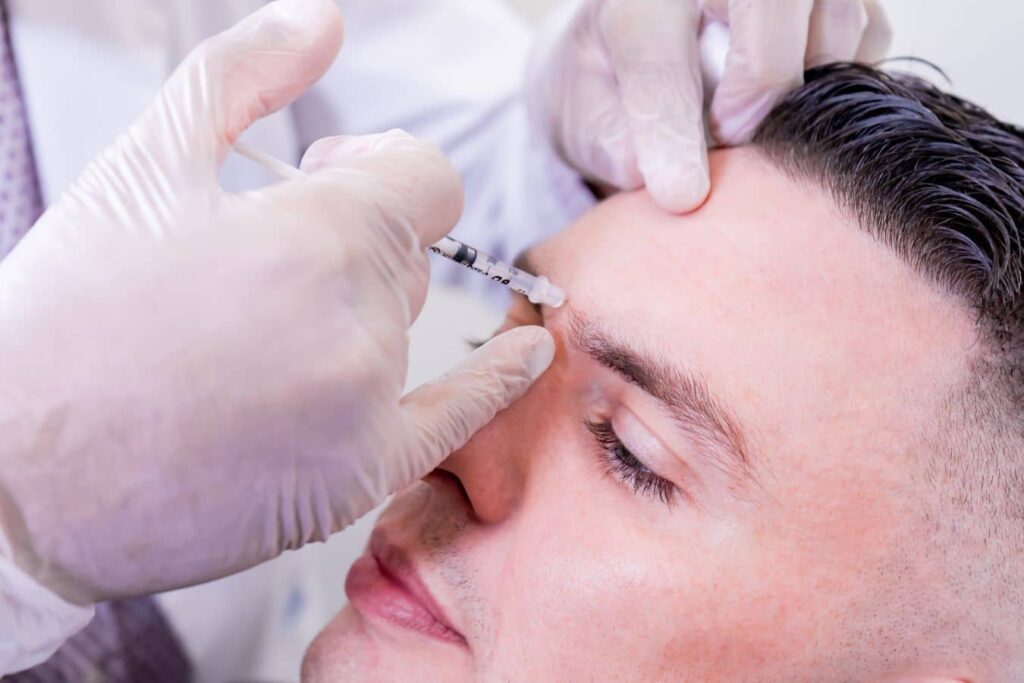
Depending on individual concerns, Botox may also be used in other facial areas such as bunny lines, lip lines, or chin dimpling. Treatment is customized based on muscle activity and aesthetic goals.
Real Botox Results
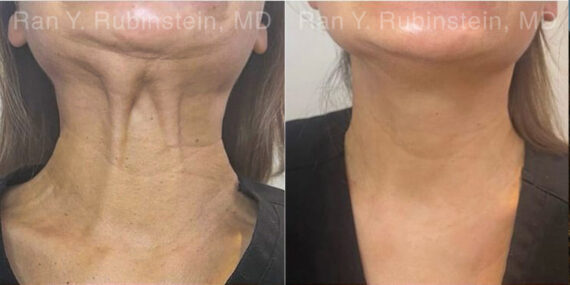
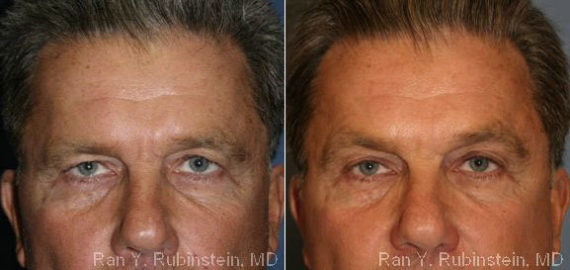
* All patients are unique and individual results may vary.
First-Time Botox vs. Maintenance Treatments
Patients receiving their first Botox treatment sometimes notice results wearing off closer to the three-month mark. This is normal.
Facial muscles may become less active over time with consistent treatment. As a result, some patients find their Botox results begin to last slightly longer with regular treatment.
A thoughtful treatment schedule helps maintain a smooth, youthful look without allowing wrinkles to fully return between sessions.
How to Help Your Botox Last Longer: Practical Tips
There is no way to permanently extend Botox beyond its biological timeframe, but certain habits can support optimal longevity.
Follow your aftercare instructions carefully. Avoid heat exposure, intense sun exposure, and vigorous activity immediately after treatment. Protecting the skin from sun exposure can also help preserve overall skin quality and prevent new wrinkles from forming.
Other helpful aftercare tips include:
- Avoid massaging the injection site
- Keep your head elevated for several hours after treatment
- Delay strenuous workouts for 24 hours
- Follow your provider’s specific guidance
Your skin type and lifestyle habits may influence how long results last, but consistent treatment remains the most reliable strategy.
When Botox Results Begin to Fade
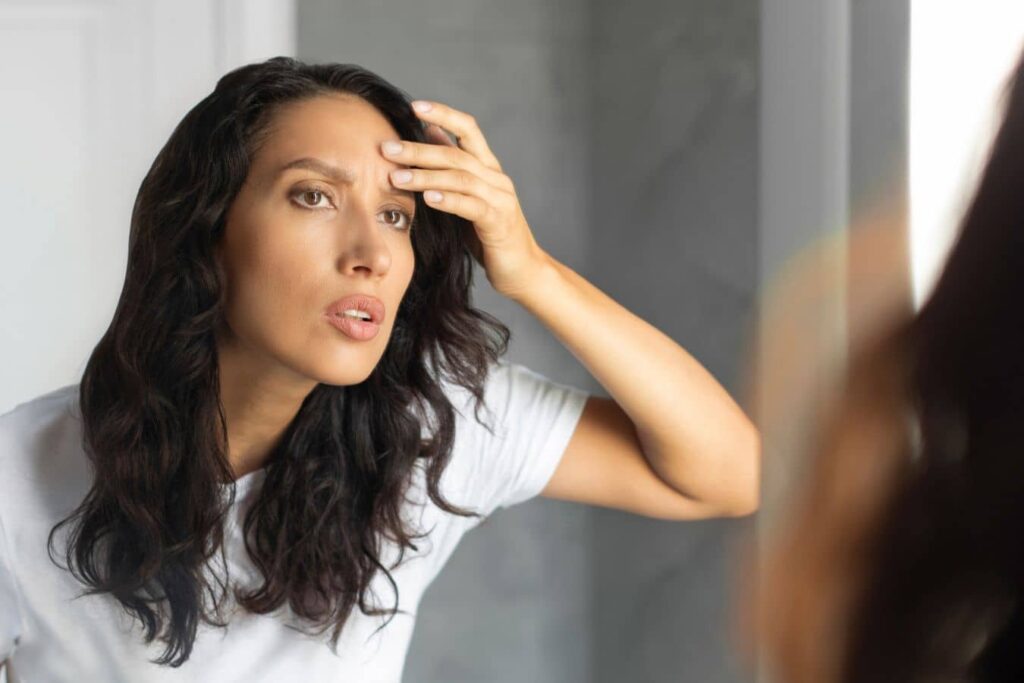
Botox does not stop working abruptly. Instead, patients gradually notice increased movement in treated areas.
Signs that Botox effects are wearing off include:
- Return of forehead lines during expression
- Increased movement between the brows
- Crow’s feet becoming more visible when smiling
This is typically the appropriate time to schedule your next appointment. Waiting too long may allow wrinkles to deepen again.
Book Your Personalized Consultation
Meet with Dr. Rubinstein to discuss your goals and receive a customized plan.
Why Choose Rubinstein Plastic Surgery Center in Montvale, NJ?
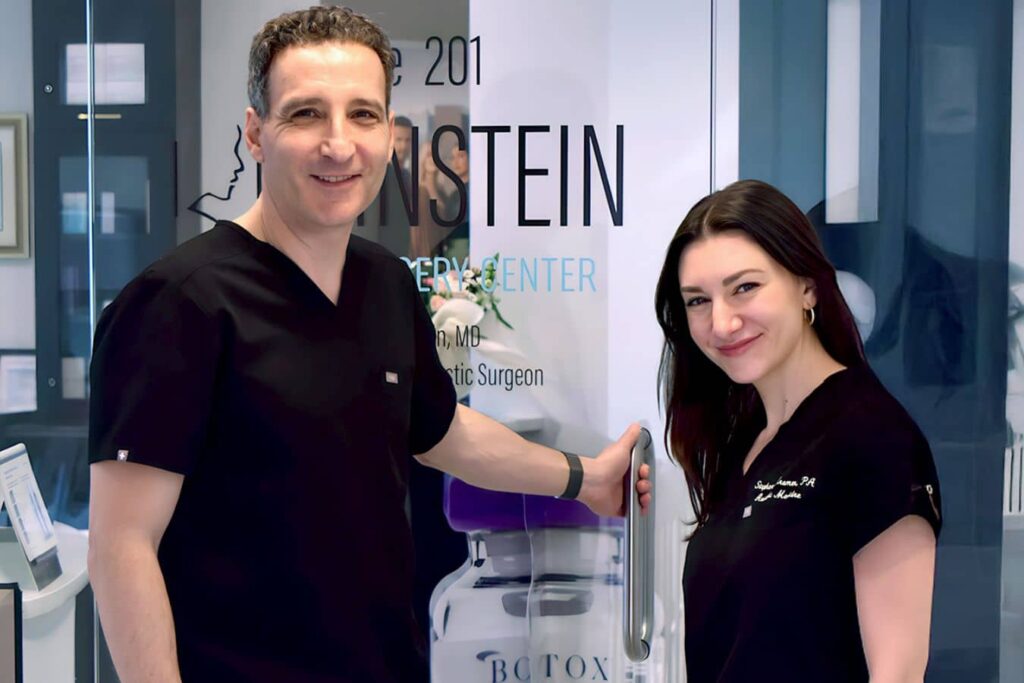
Dr. Ran Rubinstein is double board-certified in facial plastic and reconstructive surgery and otolaryngology–head and neck surgery. His expertise in facial anatomy ensures natural, balanced outcomes.
Injectable treatments are also performed by Physician Associate Stephanie Kramer, MPAS, PA-C. Each Botox treatment is customized based on muscle strength, facial structure, and aesthetic goals.
The practice is focused exclusively on facial plastic surgery and non-surgical facial rejuvenation, providing patients in Montvale and throughout Bergen County with a specialized level of care.
Is It Time to Schedule Your Next Treatment?
If you are noticing increased movement in treated areas or a gradual return of wrinkles, it may be time to schedule your next Botox treatment.
Maintaining a consistent treatment schedule helps preserve smoother skin and prolong the youthful look that Botox provides. Most patients return every three to four months to maintain their results.
To learn how long Botox may last for you personally, schedule a consultation at Rubinstein Plastic Surgery Center in Montvale, NJ.
Maintaining Smooth Skin With Thoughtful Planning
Botox remains one of the most effective non-surgical cosmetic treatment options for softening dynamic wrinkles and supporting a refreshed appearance. While the typical duration is three to four months, individual factors—including muscle activity, metabolism, treatment area, and injector technique—can influence longevity.
With proper aftercare instructions, consistent treatment, and expert injection technique, patients can enjoy predictable, natural-looking Botox results throughout the year.
If you are considering Botox injections or want to refine your current treatment schedule, the team at Rubinstein Plastic Surgery Center in Montvale is available to guide you through your options.
FAQs About Botox Longevity