Botox takes 3–8 days to start working, and full results appear in 7–14 days. However, the time it takes for Botox to work depends on several factors, including the area treated, the dosage, and your metabolism.
Botox is one of the most popular non-surgical treatments available today, whether you’re looking to smooth fine lines, ease migraines, or even reduce excessive sweating. Understanding how Botox works and what influences its activation time can help you set realistic expectations. Let’s break down the typical timeline and what you can do to optimize your results.
When Does Botox Fully Kick In?
Botox results don’t appear instantly, but they do show up within a predictable time frame, depending on the treatment area. Here’s a simple breakdown of when you can expect to see improvements:
| Botox Treatment Area | When Results Start | When Full Results Appear |
|---|---|---|
| Facial areas (general) | 3–8 days | Up to 2 weeks |
| Jaw slimming (masseter) | 1–2 weeks | Up to 6 weeks |
| Migraine relief | 1–2 weeks | Up to 6 weeks |
| Hyperhidrosis (sweating) | 3–4 days | Varies (often sooner than others) |
Botox Timeline: How Long It Takes to Work and See Results
Botox works gradually, with initial changes appearing within a few days and full results developing over the following one to two weeks. Whether you’re treating the forehead, frown lines (glabellar lines), crow’s feet, bunny lines on the nose, chin dimples, or undergoing a lip flip, you can expect a similar progression of results.
Here’s a general timeline showing how long Botox takes to work and when you can expect to see results at each stage.
Botox usually starts working within the first few days, which is when patients begin to notice subtle changes in muscle movement and skin appearance. The muscles begin to relax, and fine lines or wrinkles may appear softer. However, results are not fully developed at this stage, and movement may still be visible in the treated areas. Patience is key as the effects gradually take hold.
3–8 Days: Initial Botox Results
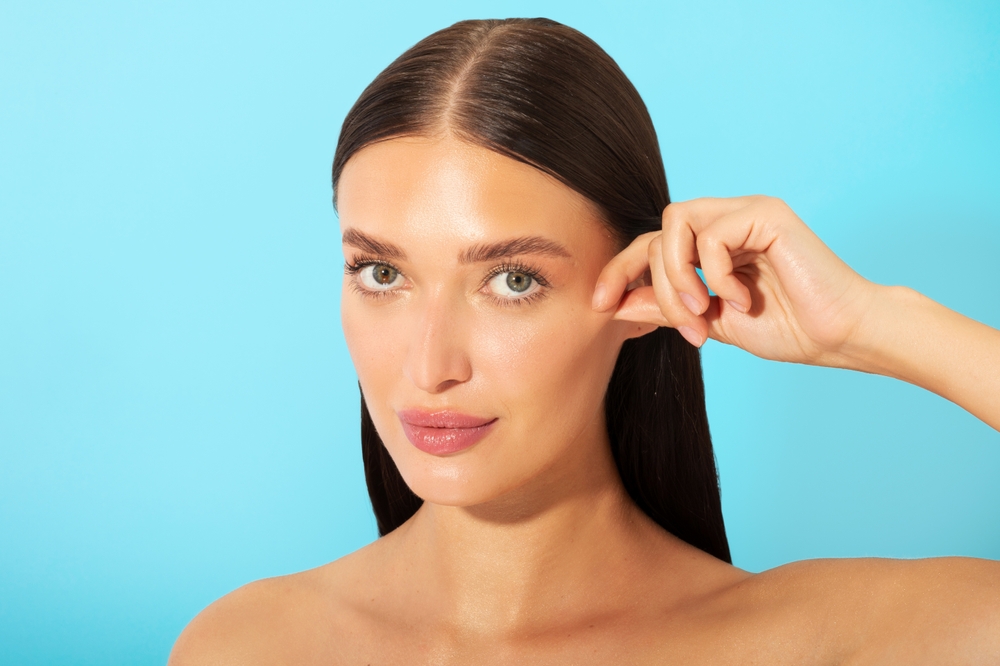
By the second week, the treatment reaches peak effectiveness, and the final results become fully visible. Wrinkles and fine lines should be significantly reduced, and the treated areas will appear smoother. Any minor asymmetry may adjust during this period, and patients can assess their final results.
10–14 Days: Full Effect
As Botox gradually metabolizes, patients may begin to notice a return of slight muscle movement in treated areas. While the overall effect remains, some fine lines may start reappearing. Regular maintenance treatments can help sustain a youthful appearance and prevent deep wrinkles from becoming prominent again.
8–12 Weeks (2–3 Months): Botox Starts to Fade
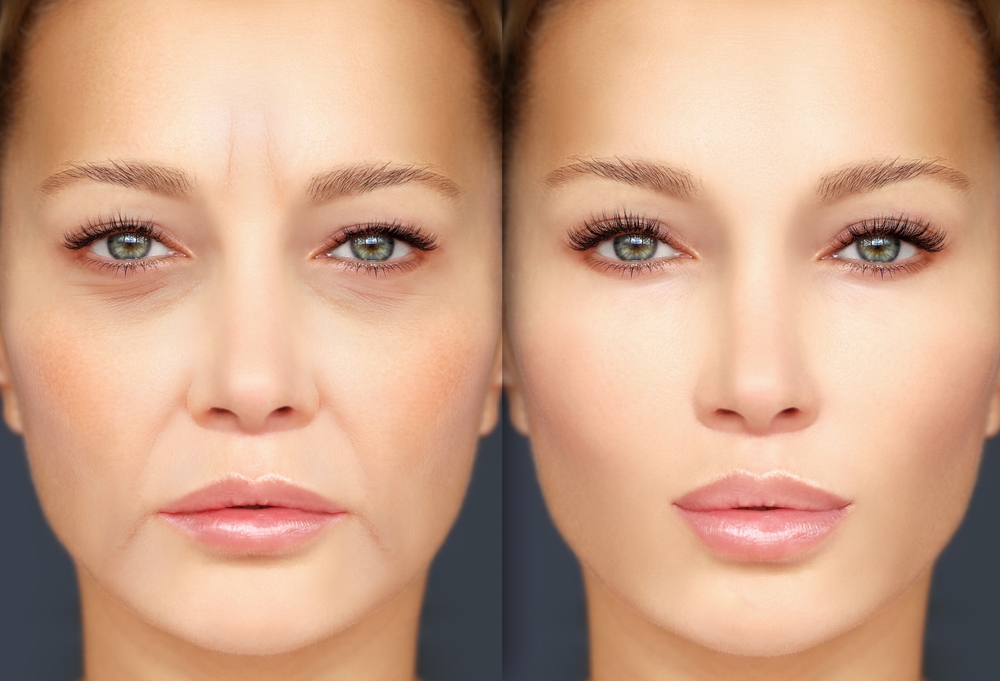
By the three to six-month mark, Botox effects have typically worn off completely. Muscle activity returns to its natural state, and wrinkles or lines may gradually reappear. At this stage, many patients opt for a follow-up treatment to maintain their desired results and prevent wrinkles from deepening over time.
3–6 Months: Fully Worn Off
Keep looking your best with our expert advice!
Book your appointment with New Jersey’s top Botox provider!
Factors That Affect Botox Longevity
While Botox results follow a general timeline, individual experiences can vary due to several factors. Some patients may notice longer-lasting effects, while others might metabolize the product more quickly. Optimize your Botox treatments and ensure the best possible results. These are the most relevant factors that affect the longevity of Botox:
- Age: Younger patients with better skin elasticity may see Botox last longer, while older individuals with deeper lines may metabolize it more quickly.
- Metabolism: Those with a faster metabolism tend to break down Botox more quickly, reducing its longevity.
- Muscle Activity: Individuals with stronger facial muscles or frequent facial expressions may experience a shorter duration of results as the muscles regain movement faster.
- Lifestyle: Factors such as smoking, sun exposure, and intense physical activity can contribute to Botox wearing off sooner than expected.
- Injection Techniques: The skill and technique of the injector play a crucial role in Botox longevity. Precise placement and the right dosage can significantly impact how long the results last.
How to Make Botox Last Longer
While Botox is not permanent, there are ways to extend its effects and maintain a youthful appearance for longer. Taking care of your skin, making healthy lifestyle choices, and following expert recommendations can help you maximize your Botox results.
- Avoid rubbing or massaging the treated area for at least 24 hours to prevent spreading the toxin to unintended muscles.
- Stay Hydrated and Maintain a Healthy Diet: Proper hydration and a nutrient-rich diet help keep your skin healthy and enhance the longevity of Botox.
- Limit Sun Exposure: UV rays can break down Botox faster, so wearing sunscreen and avoiding excessive sun exposure can help prolong results.
- Reduce Stress Levels: High stress can increase muscle tension and metabolism, causing Botox to wear off more quickly. Relaxation techniques may help maintain results.
- Schedule Regular Maintenance Treatments: Consistent touch-ups before Botox fully wears off can help train muscles to stay relaxed longer, extending the effects over time.
Patient Results
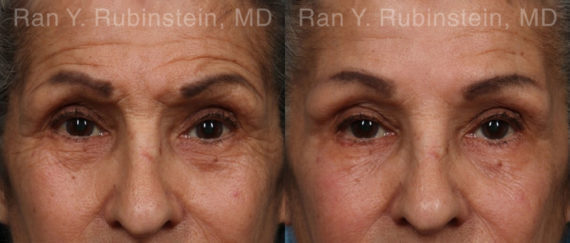
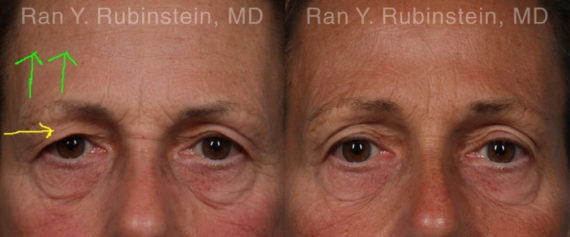
* All patients are unique and individual results may vary.
Can Anyone Inject Botox?
While understanding how long Botox takes to work is important, choosing the right injector also plays a key role in your overall results. Technically, Botox can be injected by licensed medical professionals, but that doesn’t mean everyone is equally qualified. For the best (and safest) results, it’s important to choose a specialist with experience in facial anatomy and advanced injection techniques.
When Botox is injected by someone without proper training, the risks go up. You could end up with uneven results, drooping eyelids or brows, or a “frozen” look that doesn’t feel natural. In rare cases, poor technique can even affect nearby muscles or cause unwanted side effects.
An experienced Botox injector knows how to customize your treatment based on your unique facial structure, expressions, and goals. They’ll also know how to avoid complications and give you results that look smooth, balanced, and natural.
So while many providers can legally offer Botox, trusting your face to a skilled specialist makes a big difference in both safety and satisfaction.
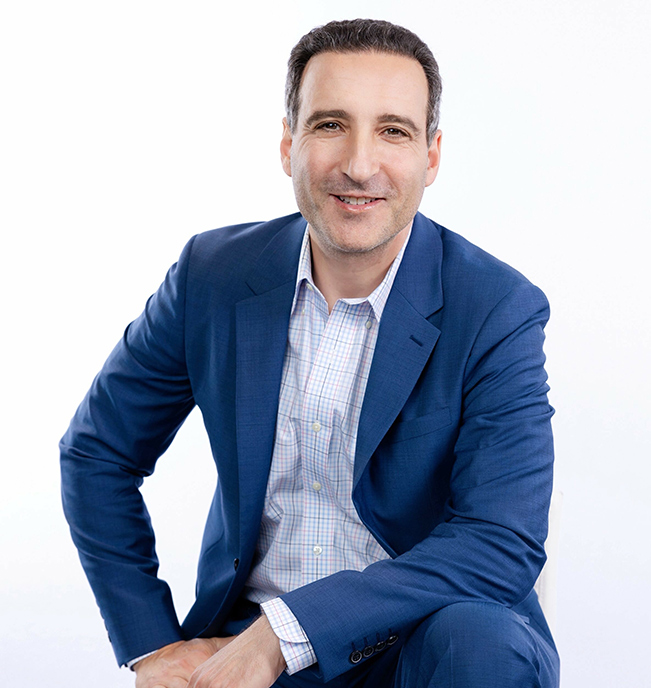
About Dr. Ran Y. Rubinstein
Dr. Ran Y. Rubinstein, MD, is a double board-certified facial plastic surgeon based in New Jersey with over two decades of experience in facial aesthetics, including advanced injectable treatments such as Botox.
Credentials & Expertise
- Double Board-Certified: Facial Plastic & Reconstructive Surgery and Otolaryngology – Head and Neck Surgery.
- Injectable Treatment Specialist: Recognized expert in Botox and dermal fillers, and a clinical trainer for advanced injection techniques.
- Facial Aesthetics Expertise: Known for combining surgical precision with non-surgical treatments to achieve natural-looking results.
Education & Training
- Medical training in Otolaryngology – Head and Neck Surgery, followed by advanced specialization in facial plastic and reconstructive surgery
- Board certification through leading medical boards in facial plastic surgery and ENT
Clinical Approach
Dr. Rubinstein takes a personalized, anatomy-based approach to injectable treatments, focusing on subtle, natural-looking results. For Botox, he emphasizes precise technique and tailored dosing to achieve consistent results while maintaining facial expression.
Schedule an Appointment in Montvale, NJ, and Get the Best Botox Results
Dr. Ran Y. Rubinstein is a double-board-certified plastic surgeon who has specialized in facial procedures for over two decades. His expertise in injectables, including Botox, has made him a national leader in the field. In addition to performing these treatments, he also trains other physicians on advanced Botox techniques. If you’re considering Botox, trust a true expert. Call us at (201) 391-1135 to schedule your consultation today!
Frequently Asked Questions About Botox Duration