

Preparing for a deep plane facelift is an important step in achieving natural-looking results. Many patients in Montvale, NJ begin exploring the deep plane facelift when they notice changes in the midface, jawline, or neck that no longer improve with injectables or other cosmetic procedures. Because Dr. Ran Rubinstein specializes exclusively in facial plastic surgery and is highly experienced in the deep plane facelift, patients benefit from guidance shaped by detailed facial analysis, careful planning, and an approach that prioritizes natural, long-lasting rejuvenation.
The deep plane facelift works beneath the superficial layers to reposition and support the deeper facial structures that influence expression and contour. Thoughtful preparation supports a smoother recovery, more predictable healing, and results that enhance your natural facial appearance. Whether you are just beginning your research or are already scheduled for surgery, understanding the steps involved can help you feel confident, informed, and ready.
Fast Facts for Deep Plane Facelift Success
- Preparing for a deep plane facelift begins with a thorough initial consultation with an experienced facial plastic surgeon.
- Healthy habits and thoughtful planning support the healing process and help create a more comfortable recovery.
- Patients should follow all pre-operative instructions closely, including guidance on medications and herbal supplements.
- A well-prepared home environment makes the early recovery period easier and less stressful.
- Open communication with your surgical team helps ensure safe, predictable results.
Understanding the Deep Plane Facelift Procedure and Preparation Process
The deep plane facelift is a highly specialized facelift procedure designed to lift and reposition the deeper muscle and ligament structures of the face rather than tightening only the skin. This approach supports natural facial rejuvenation, especially in the midface, jawline, and neck. This technique is designed to restore support to the deep facial ligaments, which is one of the reasons it produces such natural and lasting results. Dr. Rubinstein uses the deep plane technique to release ligaments that have loosened over time and to lift the tissues as a connected unit, which allows for long-lasting results without the tension or over-pulled appearance that can occur with more superficial methods.
Because this is a structural facelift surgery, the preparation process reflects the level of precision involved. Patients should expect a detailed assessment of their unique anatomy, discussions about realistic results, and clear instructions to follow before their surgical procedure. Dr. Rubinstein’s focus on individualized planning helps ensure that your face and neck are properly evaluated so the surgical plan matches your goals and natural features.
Step One: Meet With Your Facial Plastic Surgeon for a Detailed Consultation
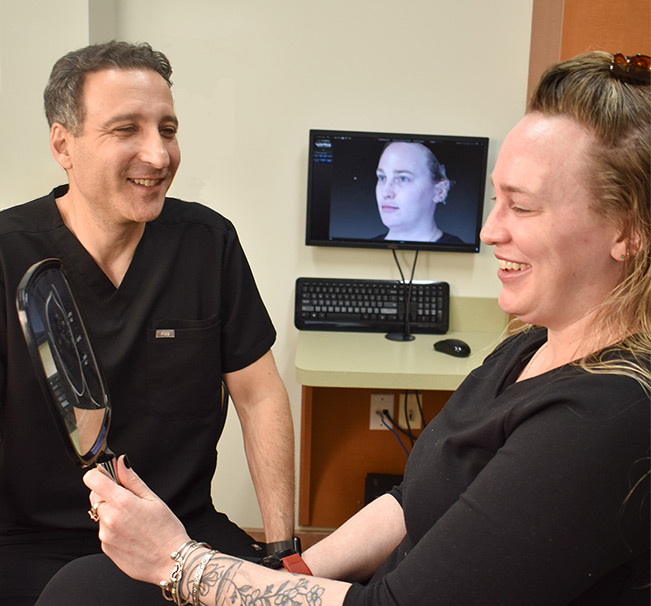
The initial consultation is one of the most important steps in deep plane facelift preparation. During this appointment, Dr. Rubinstein examines your skin, deeper facial structures, and the way your face and neck have aged over time. He will ask about your goals, medical history, previous cosmetic procedures, and any concerns regarding healing or the recovery process. His evaluation emphasizes individualized planning based on your unique facial structure, symmetry, and aging pattern.
This appointment is also your opportunity to learn more about the deep plane facelift procedure steps, what type of anesthesia is used, and how the surgery is planned. Because Dr. Rubinstein specializes in the deep plane facelift technique, patients can expect a conversation centered on whether this specific surgical procedure aligns with their expectations and desired results.
By the end of your consultation, you should have a clear understanding of the process involved, the estimated recovery period, and the ways you can prepare your body and home environment for a smooth recovery. Patients who feel well-informed typically feel calmer and more confident as they move toward their surgical date.
Step Two: Follow All Pre-Operative Instructions Carefully
Once your facelift surgery is scheduled, you will receive individualized pre-operative instructions that guide your preparation. These instructions often begin several weeks before the deep plane facelift procedure and may include recommendations about medications, herbal supplements, and health habits.
Before your surgical procedure, Dr. Rubinstein may request lab testing or other tests to confirm that you are in good health for surgery. Completing these steps early helps prevent delays and ensures your surgical team has the information they need to support your safety.
Your instructions may also include guidance such as:
- Avoiding certain medications that can increase bleeding risk.
- Stopping herbal supplements that may interfere with anesthesia.
- Making lifestyle adjustments that support healing.
These steps help prepare your body and support a comfortable recovery after surgery. If anything in your instructions is unclear, your surgical team can explain what each part of the process means and why it matters for facial rejuvenation.
Step Three: Prepare Your Skin and Hair Before Your Procedure
Healthy, balanced skin can influence how your incisions heal and how your facial appearance looks as swelling resolves. In the weeks before your deep plane facelift surgery, Dr. Rubinstein may recommend simple steps to maintain your skin without introducing new or harsh treatments.

A few helpful ways to prepare include:
- Using a gentle cleanser each day.
- Moisturizing regularly to maintain skin comfort.
- Protecting your face from sun exposure with daily sunscreen.
- Avoiding chemical peels, laser treatments, or aggressive skincare unless specifically approved.
Hair preparation is also part of the facelift preparation process. Clean hair makes the early recovery days easier, particularly because you may not feel up to washing your hair immediately after your procedure. Some patients choose slightly longer hairstyles before surgery to help conceal incision areas while they heal, though this is completely optional and based on personal preference.
These choices support your healing process and allow the surgical team to work efficiently on the day of your deep plane facelift procedure.
Schedule Your Personalized Consultation
Meet with Dr. Rubinstein to discuss your goals and receive a customized surgical plan.
Step Four: Plan for Your Recovery Ahead of Time
Planning your recovery before your facelift surgery can make the first several days more comfortable. Because a deep plane facelift works on deeper layers of the face and neck, you can expect a more significant healing period compared to non-surgical options. Creating a peaceful, organized environment at home will help you ease into your recovery period with less stress.
Consider preparing your home by:
- Setting up a comfortable resting area with extra pillows to support your head and neck.
- Having ice packs or cold compresses ready as recommended by your surgeon.
- Keeping essential items within easy reach, such as medications and water.
- Arranging for help with daily tasks for the first couple of days.
- Preparing easy-to-eat meals in advance.
Even though every patient heals at their own pace, thoughtful planning supports smoother progress and lowers the chance of unnecessary strain. Following your surgeon’s instructions closely during this time is especially important.
Step Five: Stop Smoking and Avoid Alcohol as Directed
Smoking has a significant impact on circulation and healing, which affects any surgical procedure, especially rhytidectomy techniques like the deep plane facelift. Stopping smoking well before your surgery supports the healing process and lowers the risk of complications related to skin and tissue recovery.
Alcohol can also affect swelling and interfere with medications. You may be instructed to avoid alcohol for a set period of time before your surgery to ensure that your body is ready for anesthesia and recovery.

If you need help transitioning away from smoking or other habits before your surgical procedure, bring this up during your consultation so your surgeon can offer guidance.
Step Six: Review Your Medications and Supplements
Medications, herbal supplements, and even certain vitamins can influence bleeding, anesthesia, and the body’s response during surgery. As part of your facelift preparation process, Dr. Rubinstein and his surgical team will review everything you take on a daily or occasional basis.
You may be asked to temporarily stop supplements like fish oil or herbal blends, as well as certain medications that increase bleeding risk. Do not discontinue any prescription medication unless instructed to do so. Clear communication helps ensure that your deep plane facelift surgery is as safe and predictable as possible.
This careful review also helps reduce post-operative bruising and supports a smooth recovery.
Step Seven: Arrange Transportation and Immediate Aftercare
Because deep plane facelift surgery is commonly performed with general anesthesia or IV sedation, patients will not be able to drive themselves home. You will need someone to bring you to the surgical center, stay available during your procedure, and drive you home afterward.
Some patients arrange for transportation services or a trusted friend or family member who can help them during the early part of the recovery process. If you have young children, pets, or responsibilities that require regular attention, be sure to plan coverage in advance. Proper support helps you focus on rest and recovery without interruption.
Step Eight: Understand What to Expect on the Day of Surgery
Knowing what will happen on the day of your surgical procedure can help reduce anxiety. While each patient’s plan is customized, the deep plane facelift usually involves general anesthesia or IV sedation, small incisions placed discreetly around the ears, and deeper repositioning of the tissues that support your face and neck. This deeper approach is one reason the deep plane facelift achieves natural movement and expression while enhancing underlying support. In some cases, a deep plane facelift can also improve the appearance of the neck in a way similar to a neck lift, though the specific approach will depend on your anatomy.
You will meet with the surgical team before anesthesia begins, and Dr. Rubinstein will review the plan with you. This final review helps you feel focused, prepared, and comfortable before entering the operating room.
Step Nine: Commit to Your Post-Operative Instructions
Your healing process continues in the days after your deep plane facelift procedure. Following your post-operative instructions is essential to protecting your results and supporting your recovery process. Instructions may include how to clean the incision sites, when to return for follow-up appointments, which medications to take, and what activities to avoid during your recovery period.
Swelling and bruising are normal in the early stages of recovery. Keeping your head elevated, avoiding strenuous activities, and giving your body time to heal are all part of a safe, comfortable recovery. Every patient’s anatomy and healing timeline are unique, and your healing process will be monitored through follow-up appointments at Rubinstein Plastic Surgery Center.
Real Deep Plane Facelift Results
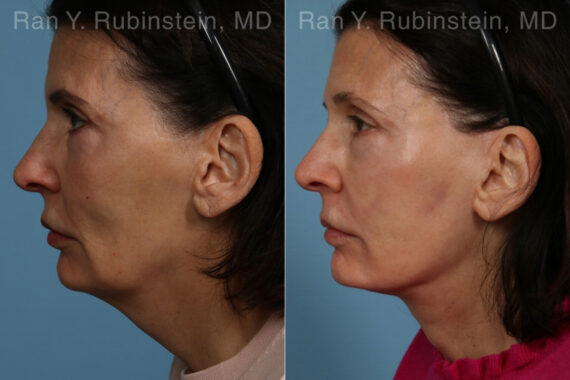
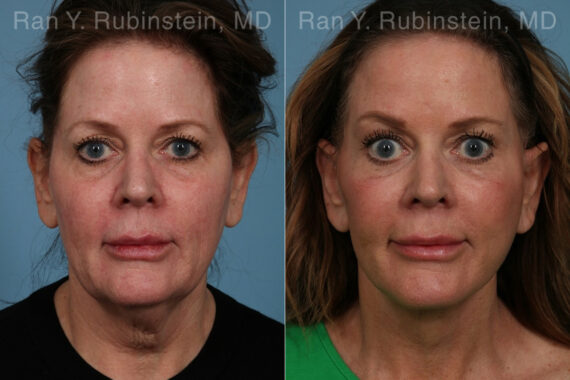
* All patients are unique and individual results may vary.
Step Ten: Maintain Realistic Expectations and Open Communication
A deep plane facelift creates long-lasting improvement by lifting the deeper structures of the face and neck. Although you can expect meaningful enhancement of your facial appearance, the goal is always natural rejuvenation rather than drastic change. Keeping realistic expectations helps you appreciate your results as they develop over time.
If you have questions at any point in your preparation, or if anything changes in your health before your surgical date, communicate this to your surgical team. Their role is to support your safety, confidence, and outcome throughout the entire process.
Ready to Begin Your Facelift Preparation in Montvale, NJ?
Preparing well for your deep plane facelift surgery is one of the best ways to support long-lasting, natural results. Dr. Ran Rubinstein offers expert guidance at every step of the process, from the initial consultation through the recovery period, so you feel informed and confident as you move forward.
If you are ready to begin the process or want to learn more about the deep plane facelift procedure, schedule your consultation at Rubinstein Plastic Surgery Center in Montvale, NJ. An individualized plan and clear instructions will help ensure that you achieve the refreshed, natural facial rejuvenation you are seeking.
Frequently Asked Questions About Preparing for a Deep Plane Facelift