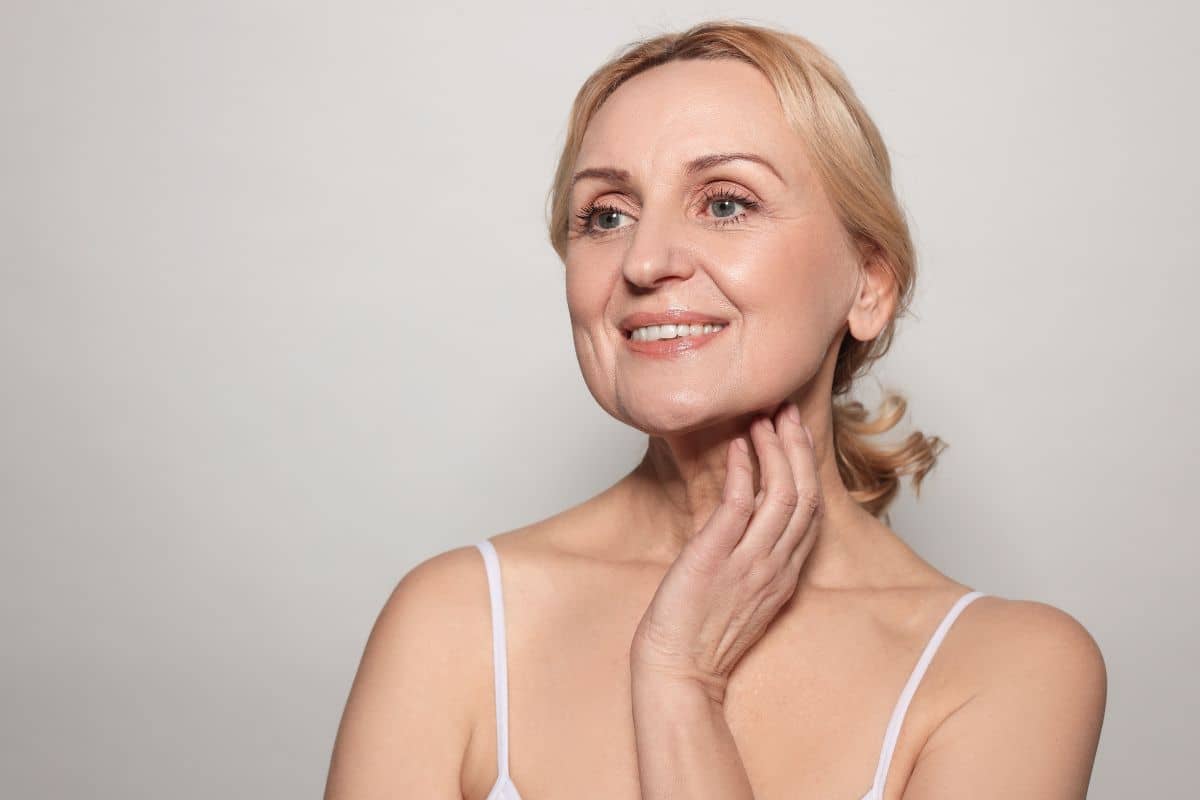
Weight loss can be a positive step for overall health, confidence, and long-term wellness. However, many people are surprised to notice that as the number on the scale drops, their face seems to age more quickly. Changes such as hollowed cheeks, deeper lines, and reduced facial fullness are common concerns, especially during rapid weight loss or while using medications like Ozempic. Understanding how to prevent facial fat loss while losing weight can help protect facial structure and maintain a balanced, healthy appearance.
At Dr. Ran Rubinstein’s facial plastic surgery practice in Montvale, NJ, patients often ask how to prevent volume loss in the face while still reaching a healthy weight. The answer depends on why facial volume changes occur and which treatment options are best suited to support the face during and after weight loss.
Understanding Facial Volume and Weight Loss
- Facial fat loss is a common side effect of weight loss, especially rapid weight loss.
- Certain areas of the face are more sensitive to volume loss than others.
- There are non-surgical and surgical treatment options that can help support facial fullness.
- Early intervention may help reduce long-term facial aging changes.
- A personalized approach guided by a facial plastic surgeon offers the most natural results.
Why Weight Loss Often Leads to Facial Fat Loss
Facial fat is different from fat stored in other areas of the body. While many people hope for spot reduction, the body does not selectively choose where fat is lost first. Instead, genetics, hormones, age, and metabolic changes determine fat storage and fat loss patterns.
During weight loss, fat cells shrink throughout the body, including those in the face. Areas such as the cheeks, temples, and jawline are particularly vulnerable because they rely on a delicate balance of fat, collagen, and skin elasticity to maintain facial volume. When weight loss happens quickly, the skin may not have enough time to adapt, leading to sagging, wrinkles, and a tired appearance often described as “Ozempic face.”
Medications like Ozempic and other GLP-1 drugs can accelerate weight loss. While effective for reducing body weight, these medications may increase the likelihood of facial volume loss as a side effect. This does not mean the medication is unsafe, but it highlights the importance of addressing facial changes early and thoughtfully.
Is It Possible to Lose Weight Without Losing Facial Fat?
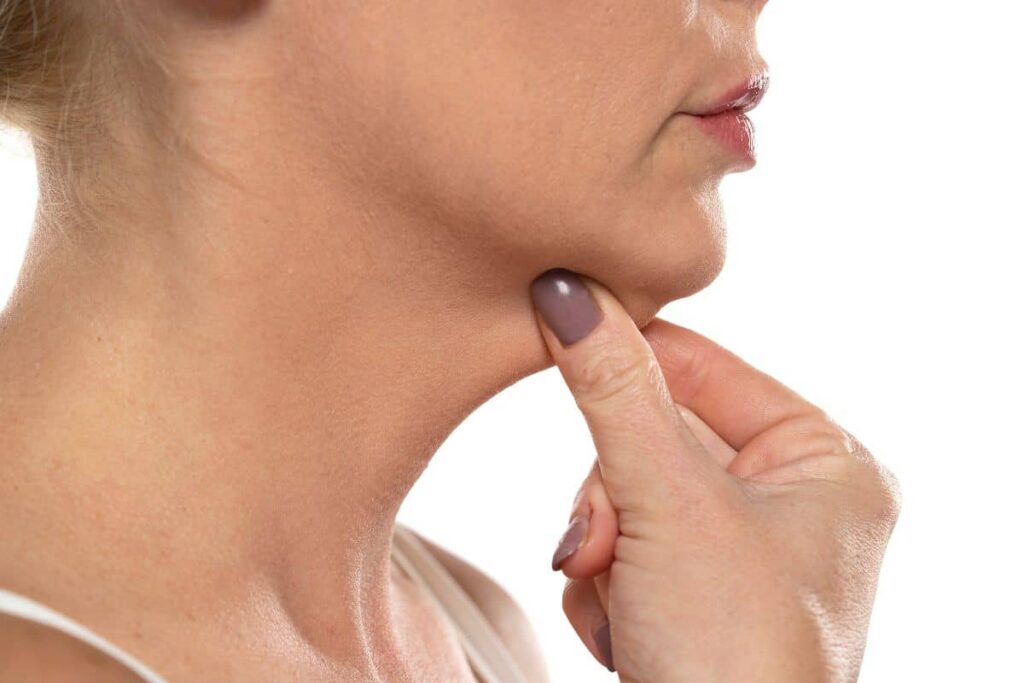
Completely preventing facial fat loss during weight loss is not always possible. However, there are ways to reduce its impact and support facial structure throughout the process. Gradual weight loss, a balanced diet, and preserving muscle mass can all help minimize dramatic changes to the face.
Maintaining a healthy weight while protecting facial fullness often requires a combination of lifestyle habits and targeted treatments. This is where working with a facial plastic surgeon can make a meaningful difference. Dr. Rubinstein focuses exclusively on facial plastic surgery, allowing him to tailor treatment options that support facial balance rather than simply adding volume.
How to Protect Facial Structure During Weight Loss
Protecting the face during weight loss starts with understanding the available treatment options and how they work together. A personalized plan may include non-surgical treatments, skin-focused therapies, and, in some cases, surgical solutions.
Biostimulators and Facial Volume Support
Biostimulators play an important role in supporting facial structure during weight loss. These treatments work by stimulating collagen production rather than simply filling space.
Sculptra is a commonly used biostimulator at Dr. Rubinstein’s Montvale practice. Unlike traditional fillers that provide immediate volume, Sculptra encourages the body to rebuild collagen over time. This gradual approach can help improve facial fullness, skin texture, and overall support while maintaining natural-looking results.
Sculptra is especially helpful for patients experiencing volume loss due to rapid weight loss or medications like Ozempic. By improving collagen structure beneath the skin, it helps address what causes facial volume loss rather than masking it.
Hyperdilute Radiesse is another biostimulant injection Dr. Rubinstein uses to restore lost facial volume and increase elasticity and skin tone.
Real Sculptra Results
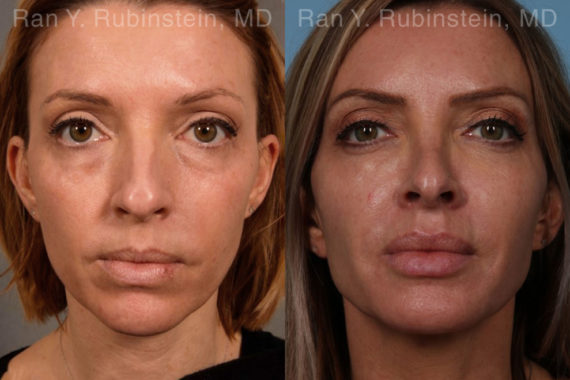
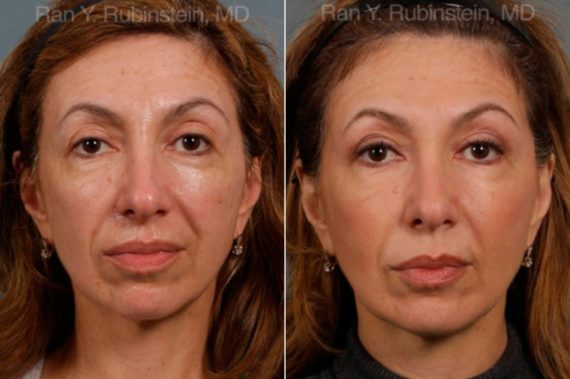
* All patients are unique and individual results may vary.
Dermal Fillers and Targeted Facial Volume
Dermal fillers remain a valuable option for addressing volume loss in specific areas of the face. Hyaluronic acid fillers are commonly used to restore fullness in the cheeks, soften wrinkles, and improve facial balance.
Hyaluronic acid is a substance naturally found in the skin that helps retain moisture and support healthy skin structure. When used conservatively, fillers can improve facial volume without making the face appear overfilled or unnatural.
Dr. Rubinstein carefully evaluates facial anatomy to determine where fillers may be beneficial and where other treatments may provide better long-term support. This approach helps prevent the overuse of fillers and maintains harmony with the rest of the face.
Real Fillers Results
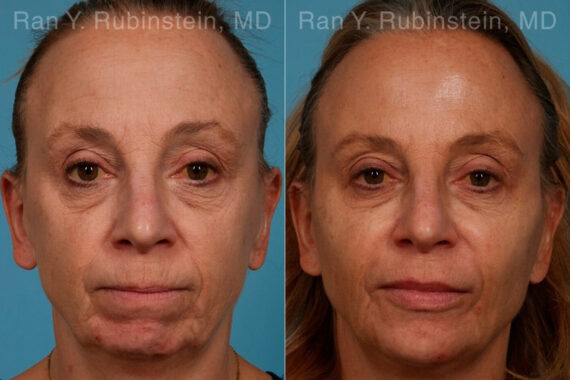
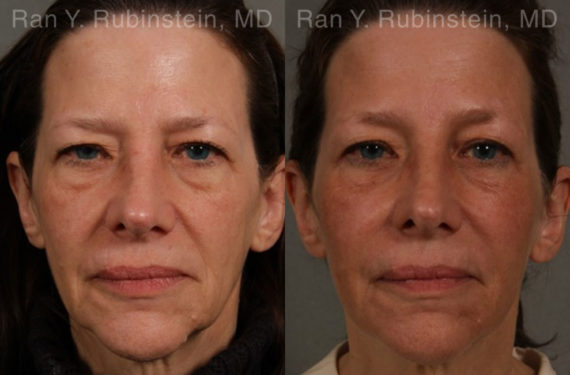
* All patients are unique and individual results may vary.
Skin Tightening and Laser Skin Treatments
Weight loss can also affect skin elasticity, contributing to sagging and loss of definition. Skin tightening treatments may help support the skin as facial volume changes.
While laser skin treatments do not replace lost fat, they can improve skin quality, tone, and firmness. By encouraging collagen remodeling, these treatments may help the skin better adapt to changes in facial volume.
Skin tightening options are often used in combination with other treatments to enhance overall facial rejuvenation without surgery.
Microneedling for Skin Health and Collagen Support
Microneedling is another option that supports healthy skin during weight loss. Regular microneedling treatments create controlled micro-injuries that stimulate collagen production and improve skin texture.
At Dr. Rubinstein’s practice, microneedling often in combination with PRP or PDGF growth factors, is used to support skin health rather than add volume directly. In certain cases, RF microneedling may be considered, but only when performed by specialists who can precisely control results to avoid unwanted changes.
Microneedling can be a valuable part of a comprehensive plan to improve skin quality as facial volume shifts.
Book Your Personalized Consultation
Meet with Dr. Rubinstein to discuss your goals and receive a customized plan.
Facials and Hydrating Skin Rejuvenation
Hydration plays an important role in maintaining healthy skin during weight loss. Treatments such as Hydrafacial help cleanse, exfoliate, and hydrate the skin while improving overall skin appearance.
Hydrafacial treatments do not replace volume, but they support skin health by improving hydration, clarity, and texture. When combined with other facial rejuvenation treatments, they help the skin look healthier and more refreshed.
Medical-Grade Skincare
Medical-grade skincare products can support the skin during weight loss by improving hydration, collagen support, and overall skin quality. These products are often more effective than over-the-counter options because they contain higher concentrations of active ingredients.
A consistent skincare routine tailored to your skin type and goals can help preserve facial fullness by supporting the skin’s underlying structure.
When Surgery Might Be the Best Option
In some cases, non-surgical treatments may not be enough to address significant facial volume loss or sagging. Surgical options can provide longer-lasting structural support when appropriate.
Fat transfer, also known as fat grafting, involves transferring fat cells from one area of the body to the face. This approach restores facial volume using the patient’s own tissue, offering natural-looking results.
For patients with more advanced facial aging, a deep plane facelift may be considered. This procedure addresses deeper facial tissues rather than just tightening the skin, helping restore facial structure and improve sagging caused by weight loss and aging.
Dr. Rubinstein evaluates each patient individually to determine whether surgical options are appropriate and when they should be considered.
Real Deep Plane Facelift Results

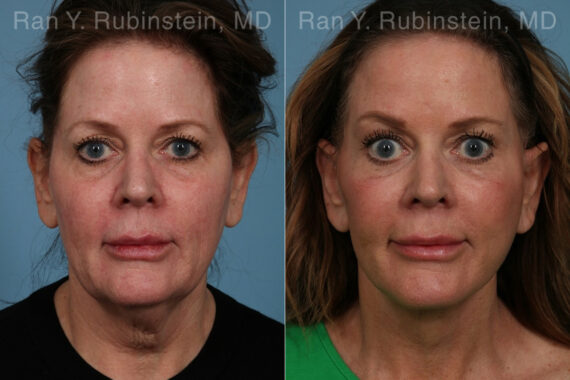
* All patients are unique and individual results may vary.
Healthy Habits That Help Preserve Facial Volume
While treatments play an important role, daily habits also influence facial aging. Maintaining a balanced diet with adequate protein supports muscle mass and skin health. Drinking plenty of water helps maintain skin hydration and elasticity.
Avoiding extreme dieting and focusing on gradual weight loss may reduce sudden facial changes. Managing stress and prioritizing sleep also support overall skin health and collagen production.
These habits cannot prevent all facial volume loss, but they contribute to healthier skin and more stable results over time.
When You Should See a Facial Plastic Surgeon
If you notice early signs of facial volume loss during weight loss, it may be helpful to consult a facial plastic surgeon sooner rather than later. Early evaluation allows for more conservative treatment options and may prevent more noticeable changes.
Dr. Rubinstein’s focus on facial plastic surgery allows him to assess subtle changes and recommend treatments that align with long-term facial balance rather than short-term fixes.
Why Patients Trust Dr. Ran Rubinstein in Montvale, NJ
Dr. Ran Rubinstein is double board-certified in Facial Plastic and Reconstructive Surgery and Otolaryngology–Head and Neck Surgery. His practice in Montvale, NJ, is dedicated exclusively to facial procedures, allowing for a highly specialized and refined approach.
Patients trust Dr. Rubinstein for his conservative treatment philosophy, attention to facial anatomy, and commitment to natural-looking results. His experience with both surgical and non-surgical facial treatments allows him to create customized plans based on each patient’s goals, weight changes, and facial structure.
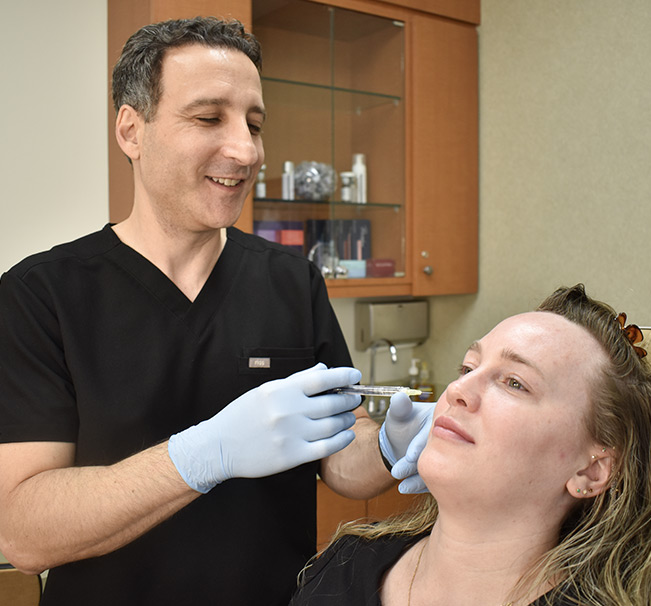
Start Your Personalized Facial Preservation Plan
Weight loss does not have to mean sacrificing facial fullness or balance. With the right approach, it is possible to address facial changes while continuing to work toward a healthy weight.
A personalized consultation with Dr. Rubinstein can help identify the best options for protecting facial structure during weight loss. Early planning and expert care may make a significant difference in maintaining a refreshed, natural appearance.
FAQs About Facial Volume Loss