
Facial volume loss can make the cheeks look flatter, the skin appear thinner, and facial contours look less defined. Aging is a common cause, but changes in weight, genetics, and other factors can also affect facial fullness. Hyaluronic acid fillers are one option for restoring volume, but they are not the only approach.
Treatment options may include collagen-stimulating injectables, facial fat transfer, and procedures that improve skin firmness and quality. The right approach depends on whether the primary concern is true volume loss, skin laxity, or a combination of both.
Key Takeaways: Understanding Facial Volume Restoration
- Facial volume loss can be treated with several approaches beyond traditional hyaluronic acid fillers.
- Sculptra and Radiesse are biostimulatory fillers that can support collagen production over time.
- Fat transfer uses your own tissue and can provide long-lasting volume restoration.
- RF microneedling improves skin firmness and quality but does not replace significant lost facial fat.
- Treatment depends on whether the primary concern is volume loss, skin laxity, tissue descent, or a combination.
Why Facial Volume Loss Happens
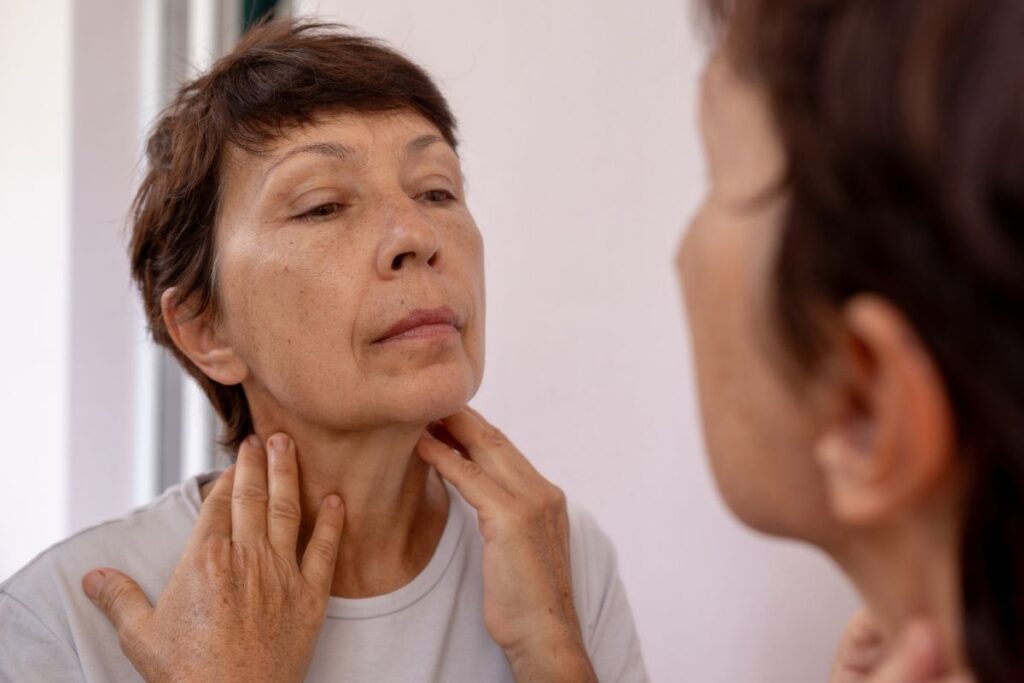
Facial fullness depends on facial fat, skin quality, and structural support beneath the surface. With age, facial fat can lose volume or shift, while collagen and skin elasticity decline, contributing to hollow cheeks and less defined contours.
Weight loss can intensify this change, especially if it happens quickly. Rapid or substantial weight loss can also reduce facial fat, including weight loss that may occur during treatment with GLP-1 medications such as semaglutide (Ozempic). As overall body fat decreases, facial fat may decrease as well, making the cheeks or temples appear more hollow. Genetics, sun exposure, and lifestyle factors play a role as well.
These changes can contribute to reduced facial volume, deeper folds, and a more tired appearance.
When to Seek Treatment
You might consider treatment when volume loss begins affecting how you look and feel:
- Hollowing in the cheeks or temples
- A sharper, less youthful appearance
- Rapid facial changes from weight loss or medication
- Visible thinning or reduced skin firmness
If facial volume changes are noticeable and you want to address them, treatment may help restore facial contours and structural support.
Why Consider Alternatives to Traditional HA Fillers?
Traditional hyaluronic acid fillers provide immediate volume, but other approaches may be appropriate depending on the type and degree of facial change. Potential benefits include:
- Gradual improvement with collagen-stimulating treatments
- Options that can address both facial support and skin quality
- Fat transfer using the patient’s own tissue
- Options suited to different degrees of volume loss, skin quality concerns, and treatment timelines
- Options for patients who prefer gradual rather than immediate changes
These approaches work in different ways, which is why treatment selection should be based on the underlying cause of the facial changes rather than volume loss alone.
Book Your Personalized Consultation
Meet with Dr. Rubinstein to discuss your goals and receive a customized plan.
Alternatives to Traditional Hyaluronic Acid Fillers
Sculptra
Sculptra is an injectable poly-L-lactic acid (PLLA) dermal filler that works differently from traditional hyaluronic acid fillers. Rather than relying primarily on a gel to create immediate volume, Sculptra is designed to stimulate collagen production gradually, helping improve facial structure and contour over time. The FDA classifies Sculptra as a dermal filler or injectable implant.
Because its effects develop progressively, Sculptra may be considered for patients who want gradual improvement in areas affected by facial volume loss or age-related contour changes. Treatment is typically performed as a series of sessions based on the patient’s anatomy, goals, and treatment plan. Results develop over the following months as collagen remodeling occurs.
Radiesse
Radiesse is an injectable calcium hydroxylapatite (CaHA) dermal filler and biostimulatory treatment. It can provide immediate structural support while also stimulating collagen production over time, helping improve facial contours and areas affected by volume loss.
Depending on the treatment goal, Radiesse may be used to restore support, refine contours, or improve aspects of skin quality. It can also be diluted or hyperdiluted for certain treatment goals. Depending on the area being treated and the technique used, this may be considered an off-label use.
Results may include both immediate improvement and gradual changes as collagen production increases. The number of treatments and the expected duration of results vary based on the treatment area, degree of volume loss, technique used, and individual response.
Fat Transfer
Fat transfer, also called fat grafting, is a surgical treatment that uses your own body fat to restore facial volume. A small amount of fat is collected from another area, purified, and placed into the face where needed. Because the graft uses the patient’s own tissue, fat transfer can restore volume in areas such as the cheeks and temples without using a synthetic filler material.
Some of the transferred fat is naturally reabsorbed during the healing process, so the amount of long-term fat retention varies from patient to patient. Fat that successfully establishes a blood supply can provide lasting volume. Mild swelling is common early on, and final improvements become more apparent as swelling resolves and the transferred fat settles.
RF Microneedling for Skin Firmness and Quality
Radiofrequency microneedling uses microneedles and radiofrequency energy to improve skin firmness, texture, and mild laxity. It does not replace lost facial fat or add significant volume, but it can improve skin quality and firmness so facial contours may appear more defined.
Results develop gradually as collagen remodeling occurs. The FDA has also warned that certain uses of RF microneedling have been associated with complications including burns, scarring, fat loss, nerve damage, and other injuries. Treatment should therefore be carefully tailored to the patient, treatment area, and device being used.
Real Sculptra and Radiesse Results
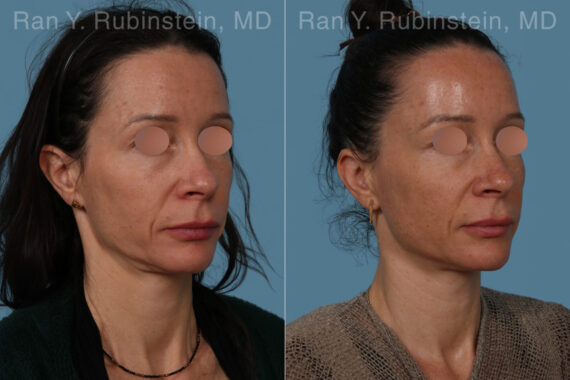
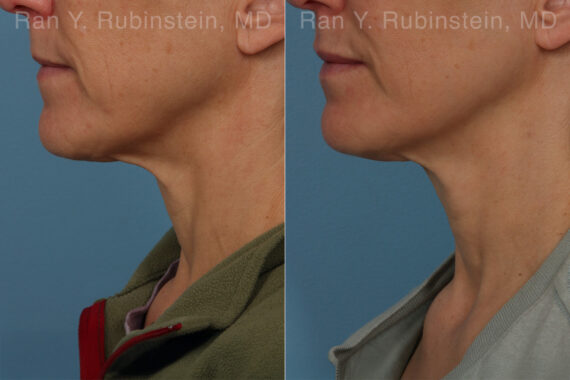
* All patients are unique and individual results may vary.
Risks and Limitations to Consider
| Treatment | Main Limitation | Common considerations |
|---|---|---|
| Sculptra | Results are gradual rather than immediate and may require multiple sessions. | Temporary swelling, redness, tenderness, or bruising may occur after treatment. |
| Radiesse | Not every technique or facial area is appropriate for every patient. | Temporary swelling, bruising, redness, or tenderness may occur. |
| Fat Transfer | Requires surgery, and some transferred fat will naturally be reabsorbed. It also does not correct significant sagging by itself. | Swelling and bruising are common during recovery, and long-term fat retention varies between patients. |
| RF Microneedling | Improves skin quality and firmness but does not replace significant lost facial fat. | Temporary redness and swelling can occur. Serious complications have also been reported with certain uses. |
Are You a Good Candidate for Non-HA Facial Volume Treatments?
These treatments may be appropriate for patients whose primary concern is facial volume loss, while RF microneedling may also be considered when mild skin laxity or skin-quality changes are present. Candidacy also depends on general health, the area being treated, and whether you prefer a surgical or non-surgical approach.
If loose skin or noticeable tissue descent is the primary concern, volume restoration alone may not fully address it. In these cases, a lifting procedure such as a deep plane facelift may be considered. Combining lifting with volume restoration may also be appropriate when both tissue laxity and volume loss are present.
Which Non-HA Facial Volume Treatment May Be Right for You?
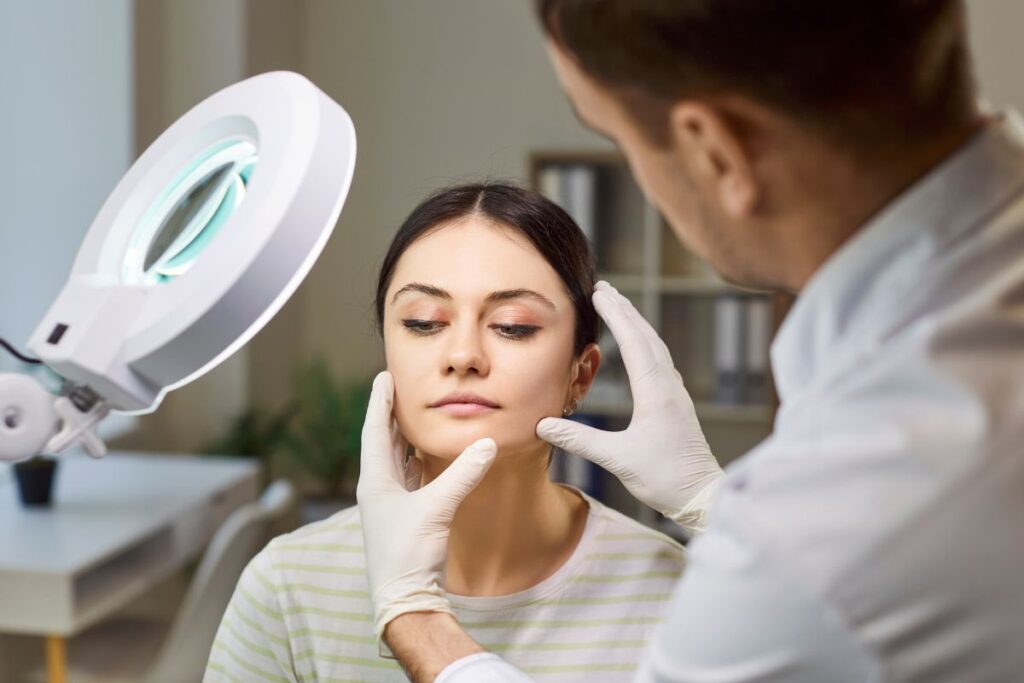
The choice depends on several factors:
- How much volume has been lost
- Your timeline for seeing improvements
- Preference for surgical versus non-surgical treatments
- The degree of correction you are seeking
- Areas of the face most affected by thinning
A consultation can help determine which options are most appropriate for your anatomy, degree of volume loss, and treatment goals.
Schedule a Consultation Today
Restoring facial volume is not simply about looking younger. The goal is to create results that remain consistent with your natural features. Schedule a consultation at Rubinstein Plastic Surgery Center in Montvale, NJ, and we can evaluate whether collagen-stimulating treatments, fat transfer, skin-focused procedures, or a combination of approaches may be appropriate for your concerns.
Frequently Asked Questions About Alternatives to Hyaluronic Acid Fillers